

Spending ten or more hours on an airplane can test even the most experienced traveler's patience. Between cramped seating, dry cabin air, restless sleep, and limited opportunities to move around, long-haul flights aren't always the most comfortable part of a vacation. However, a few thoughtful preparations can make an enormous difference in how you feel throughout the journey. From choosing the right seat to packing practical comfort essentials, small adjustments can help you arrive at your destination feeling more refreshed and ready for adventure.
Choose the Right Seat for Your Comfort Needs
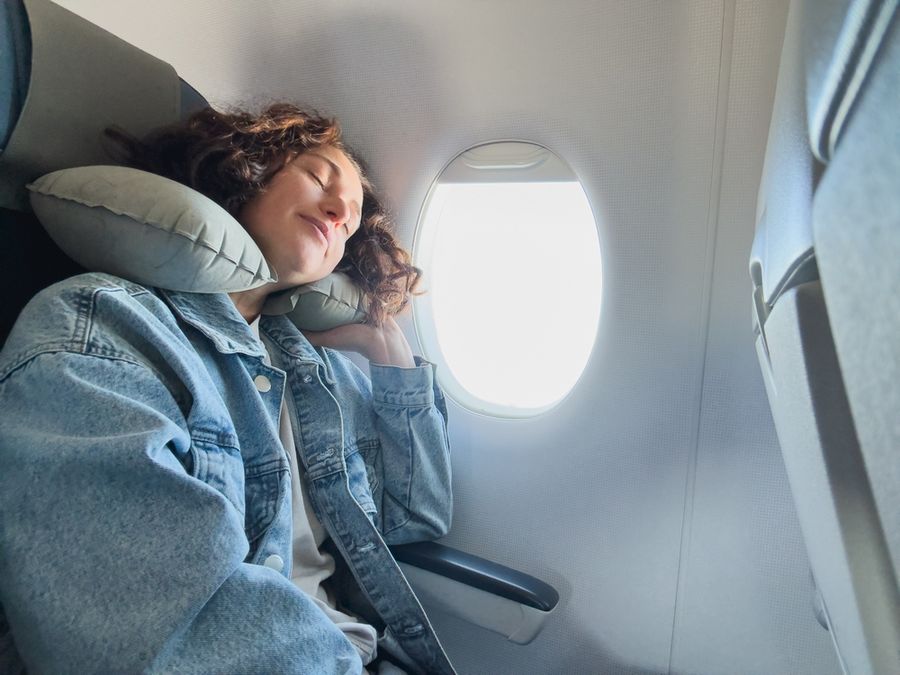
Your seat selection can have a significant impact on how comfortable you feel during a long-haul flight. Window seats provide a place to lean against the cabin wall and are ideal for passengers who want uninterrupted sleep. Aisle seats offer easier access to the restroom and allow you to stand up without disturbing other travelers. Middle seats are generally less desirable, particularly on overnight flights when personal space is limited.
Consider paying for extra legroom if your budget allows, especially if you're tall or have difficulty sitting comfortably for extended periods. Exit-row and bulkhead seats may provide additional space, although restrictions and seat configurations vary between aircraft. Before booking, review your airline's seating chart and compare available options. If you're traveling with someone, selecting seats together can make the journey more enjoyable. Choosing a seat that matches your priorities is one of the simplest ways to improve your overall flying experience.
Dress Comfortably and Pack Essential Travel Accessories
What you wear during a long flight can influence how comfortable you feel for hours. Choose loose-fitting clothing made from soft, breathable fabrics rather than restrictive jeans or tight waistbands. Dressing in layers is particularly helpful because cabin temperatures can fluctuate throughout the journey. A lightweight sweater, comfortable pants, and warm socks can make it easier to adjust when the airplane feels unusually cold. Slip-on shoes are also convenient, especially during airport security screening.
Pack a small collection of comfort essentials in your carry-on bag. A supportive travel pillow, lightweight blanket or oversized scarf, eye mask, and noise-canceling headphones can make a considerable difference. Keep lip balm, moisturizer, tissues, and other frequently used items within easy reach. Avoid packing so many accessories that your personal bag becomes difficult to manage. A thoughtfully organized collection of essentials can help create a more comfortable environment without adding unnecessary luggage.
Stay Hydrated and Make Thoughtful Food Choices
Airplane cabins have relatively low humidity levels, which can contribute to dry eyes, irritated skin, and general discomfort during longer journeys. Drinking water regularly can help you stay comfortable throughout the flight. Bring an empty reusable water bottle through airport security and fill it before boarding, or request water from the cabin crew when available. Although coffee and alcoholic beverages may be tempting, excessive consumption can interfere with sleep and contribute to feeling uncomfortable.
Food choices can also influence how you feel during a long journey. Eating a large, heavy meal immediately before flying may leave you feeling bloated or sluggish. Consider choosing lighter meals and bringing a few familiar snacks, such as crackers, nuts, or granola bars, depending on your dietary needs. If you have food allergies or require a special meal, contact the airline before departure to review available options. Staying reasonably hydrated and eating comfortably can make the hours in the air much more pleasant.
Move Around and Stretch Throughout the Flight
Sitting in one position for several hours can cause stiffness, swelling, and general discomfort. Whenever it's safe to do so, stand up and walk through the cabin periodically. The Centers for Disease Control and Prevention (CDC) recommends moving around during extended travel and exercising your calf muscles while seated to help maintain circulation. Choosing an aisle seat can make taking occasional walking breaks more convenient.
Simple seated movements can also help reduce stiffness. Try gently rotating your ankles, flexing your feet, and raising your heels while keeping your toes on the floor. Avoid crossing your legs for long periods, and adjust your seating position occasionally. Travelers with additional risk factors for blood clots should discuss preventive measures, including whether compression stockings are appropriate, with a healthcare professional before flying. Movement won't eliminate every discomfort associated with long flights, but it can help you feel better during the journey.
Create a Better Environment for Sleeping on the Plane
Getting meaningful rest during a long-haul flight can be challenging, particularly when cabin lights, conversations, and uncomfortable seating interrupt your sleep. Start by adjusting your schedule before departure if you're crossing several time zones. Once aboard, consider setting your watch to the destination's local time and planning your rest accordingly. The CDC notes that adjusting sleep schedules and timing rest around the destination's time zone may help travelers manage jet lag.
Create a comfortable sleeping environment by using an eye mask, headphones, and a supportive travel pillow. Recline your seat when permitted, while remaining considerate of the passenger behind you. Avoid excessive caffeine close to your planned sleeping period, and limit screen time if bright displays keep you awake. Keep your seat belt fastened over your blanket so flight attendants can see it's secured. Even if you can't sleep for several uninterrupted hours, shorter periods of rest can make the journey feel less exhausting.
Prepare Entertainment and Plan for a Smooth Arrival
Long flights can feel considerably shorter when you have enough entertainment to keep yourself occupied. Before leaving home, download movies, television shows, podcasts, audiobooks, or music to your phone or tablet. Don't assume the airplane will have reliable Wi-Fi or an extensive entertainment selection. Bring headphones, a charging cable, and a portable power bank that meets your airline's battery safety requirements. A book, crossword puzzle, or travel journal can also provide a welcome break from screens.
Think about your arrival before the plane takes off. Keep your passport, transportation details, hotel information, and other important documents organized and accessible. If you're landing in a different time zone, try to follow the local schedule once you arrive. Spending time outdoors in natural daylight can support your body's adjustment, although the ideal timing depends on your destination and travel direction. Avoid scheduling an exhausting afternoon immediately after a lengthy overnight flight. Allowing yourself time to settle in can make the beginning of your vacation much more enjoyable.
Arrive Ready to Enjoy Your Destination
Long-haul flights may never feel quite as comfortable as relaxing at home, but thoughtful preparation can make the experience significantly easier. Choosing a suitable seat, wearing comfortable clothing, staying hydrated, moving regularly, and bringing practical travel accessories can all improve the journey. Planning opportunities for sleep and preparing entertainment also helps the hours pass more pleasantly.
Remember that you don't need expensive upgrades or an overflowing carry-on bag to make a long flight manageable. Focus on the small adjustments that matter most to your comfort and travel preferences. Give yourself permission to rest, stretch when possible, and take the journey at a comfortable pace. With a little planning, you'll spend less time worrying about the flight and more time looking forward to the exciting experiences waiting at your destination.