

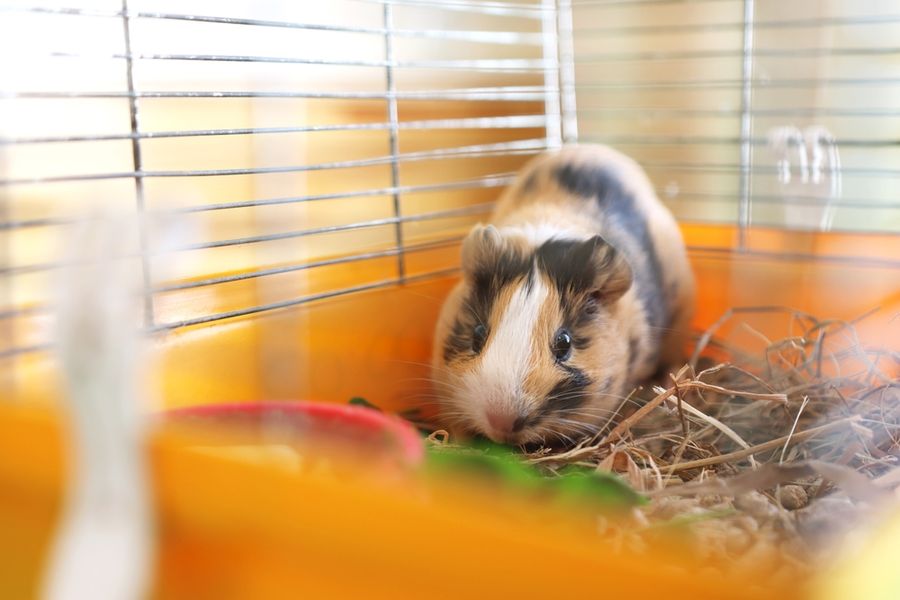
Guinea pigs are adorable, sociable little animals known for their cheerful squeaks, curious personalities, and love of tasty vegetables. Although they're often considered beginner-friendly pets, keeping them happy and healthy requires more preparation than many people realize. From creating a spacious living environment to providing proper nutrition and companionship, every detail matters. Guinea pigs also have unique needs that set them apart from other small pets. Understanding their care requirements before adoption can help you create a comfortable, enriching home for your new furry companions.
Understand the Responsibilities of Guinea Pig Ownership
Before bringing home a guinea pig, consider the time, space, and financial commitment involved. Guinea pigs typically live around five to seven years, although some live longer with proper care. They require daily feeding, fresh water, regular enclosure cleaning, and opportunities for exercise and interaction. Unlike some small pets that prefer living alone, guinea pigs are highly social animals that generally thrive with a compatible companion of their own species. Adopting an established pair is often a wonderful option for first-time owners.
It's also important to understand that guinea pigs aren't always enthusiastic about being picked up or cuddled. As prey animals, they can become frightened by sudden movements and unfamiliar situations. However, many develop affectionate relationships with their owners through gentle handling and consistent routines. Before adopting, research local veterinarians experienced with small mammals and establish a budget for food, bedding, supplies, and medical care. Guinea pigs need companionship, suitable housing, and regular attention to their physical and behavioral needs.
Choose a Spacious Enclosure With Comfortable Bedding
One of the most important purchases you'll make is a suitable enclosure. Guinea pigs need plenty of horizontal floor space to run, explore, and interact with one another. Unfortunately, many traditional pet store cages are too small for their needs. For a pair, aim for at least 10 square feet of uninterrupted floor space, although larger accommodations are preferable. Choose an enclosure with solid flooring, good ventilation, and secure sides. Wire-bottom cages should be avoided because they can injure delicate feet.
Bedding should be soft, absorbent, and comfortable. Dust-free paper bedding and suitable washable fleece liners are popular options, provided they're maintained properly. Avoid cedar shavings, heavily scented products, and materials that may irritate sensitive respiratory systems. Add several hiding places so each guinea pig can retreat when feeling nervous. Position the enclosure somewhere quiet, away from direct sunlight, drafts, and excessive heat. The Merck Veterinary Manual recommends spacious housing with solid flooring and enough room for natural movement.
Stock Up on Hay, Pellets, Vegetables, and Fresh Water
Guinea pigs have specific nutritional needs, making their diet one of the most important parts of daily care. Unlimited high-quality grass hay, such as timothy or orchard grass, should form the foundation of an adult guinea pig's diet. Hay provides essential fiber for digestion and helps wear down continuously growing teeth. You'll also need plain, grass-based pellets formulated specifically for guinea pigs. Avoid colorful seed mixes and foods containing nuts or dried fruit, which aren't suitable as dietary staples.
Fresh vegetables provide additional nutrients and variety. Leafy greens and bell peppers are particularly useful choices, and new foods should be introduced gradually. Guinea pigs can't produce their own vitamin C, so they must receive adequate amounts through their diet. The PDSA recommends a combination of unlimited hay, measured portions of guinea pig pellets, and daily fresh vegetables. Keep clean drinking water available at all times, and check bottles or bowls daily. Ask your veterinarian whether additional vitamin C supplementation is necessary.
Provide Hiding Places, Toys, and Opportunities for Exercise
Guinea pigs are active, curious animals that need more than food and a comfortable place to sleep. Their enclosure should include tunnels, hiding houses, chew toys, and plenty of open floor space for exploring. Cardboard boxes with appropriately sized entrances make inexpensive hiding places, while untreated wooden toys can encourage natural chewing behaviors. Provide at least one hiding space for each guinea pig, preferably with multiple openings to prevent one animal from trapping another inside.
Exercise opportunities are equally important. Create a secure play area where your guinea pigs can explore safely outside their enclosure, with supervision and protection from other household pets. Scatter hay or small portions of their daily food around the space to encourage natural foraging. Unlike hamsters, guinea pigs shouldn't use exercise wheels or running balls because their body structure makes such equipment unsafe. North Carolina State University's Veterinary Hospital recommends safe chew toys, cardboard tunnels, and other enrichment items that support natural activity. A varied environment keeps your companions engaged and encourages healthy movement.
Learn How to Handle and Socialize Your Guinea Pigs
Building trust with guinea pigs takes patience, especially during their first few days in an unfamiliar home. Allow your new pets time to explore their enclosure and become comfortable with everyday household sounds before attempting frequent handling. Sit nearby, speak gently, and offer small pieces of suitable vegetables to encourage positive interactions. Since guinea pigs are naturally cautious, they may initially retreat into their hiding places whenever someone approaches. Respecting their boundaries helps them gradually feel more secure.
When handling your guinea pigs, support their chest and hindquarters with both hands, keeping their bodies close to yours. Never lift them by their legs or allow young children to carry them without supervision. Some guinea pigs enjoy gentle petting once they've developed trust, while others prefer interacting with people from the safety of their enclosure. Pay attention to their body language and avoid forcing contact. Consistent routines, calm movements, and positive experiences can help your pets develop confidence and feel comfortable around family members.
Prepare for Daily Cleaning, Grooming, and Veterinary Care
Guinea pigs need consistent care to maintain a clean living environment and good overall health. Remove soiled bedding, leftover vegetables, and droppings from their enclosure every day. Clean food dishes and water containers regularly, and replace bedding or wash fleece liners whenever necessary. Long-haired guinea pigs may require frequent brushing to prevent tangles, while all guinea pigs need regular nail trimming. Because their teeth grow continuously, proper nutrition and routine dental monitoring are particularly important.
Before adoption, find a veterinarian experienced with guinea pigs and schedule an initial health examination. Guinea pigs can hide signs of illness, so changes in appetite, activity, breathing, or droppings deserve prompt attention. Refusing food or producing significantly fewer droppings can indicate a serious problem requiring urgent veterinary care. Establishing good habits from the beginning helps prevent avoidable problems and supports your pets' long-term well-being.
Your Guinea Pig Essentials Checklist
Before bringing your new companions home, make sure you've gathered the following supplies:
- Spacious enclosure: At least 10 square feet of floor space for a compatible pair, with more room whenever possible.
- Soft, absorbent bedding: Dust-free paper bedding or washable fleece liners suitable for guinea pigs.
- Unlimited grass hay: Timothy, orchard, or another appropriate grass hay for adult guinea pigs.
- Guinea pig pellets: Plain, fortified pellets specifically formulated for guinea pigs.
- Fresh vegetables: A selection of guinea pig-safe leafy greens and vitamin C-rich vegetables.
- Water bottles or bowls: Reliable drinking containers that are easy to clean and refill.
- Food dishes: Sturdy ceramic bowls or other tip-resistant feeding containers.
- Hiding houses: At least one per guinea pig, ideally with multiple exits.
- Tunnels and chew toys: Safe cardboard tunnels, untreated wooden chews, and enrichment materials.
- Secure exercise area: A guinea pig-safe playpen with adequate space for supervised exploration.
- Grooming supplies: A soft brush, appropriate nail clippers, and other supplies suited to their coat type.
- Pet carrier: A secure, well-ventilated carrier for veterinary appointments and transportation.
- Cleaning supplies: Pet-safe cleaning products, replacement bedding, and supplies for daily spot-cleaning.
- Veterinary contact information: Details for a veterinarian experienced with guinea pigs, including emergency services.
- A compatible companion: Guinea pigs generally need companionship from another guinea pig, so consider adopting an established pair.
Give Your Guinea Pigs a Happy and Healthy Start
Bringing home guinea pigs can be a wonderful experience, especially when you've prepared an environment that supports their natural behaviors and social needs. Spacious housing, nutritious food, daily enrichment, and compatible companionship all contribute to their happiness. Although they're relatively small animals, guinea pigs require consistent attention and thoughtful care throughout their lives.
Before adoption day, take time to arrange their enclosure, purchase essential supplies, and establish a manageable daily routine. Remember that each guinea pig has its own personality, and building trust may take several weeks. Offer patience, gentle interaction, and plenty of opportunities to explore without feeling threatened. With the right preparation and a commitment to their well-being, your new companions can bring years of cheerful squeaks, entertaining antics, and wonderful moments into your home.