

Keeping your home comfortable during winter can be challenging, especially when cold drafts and poorly insulated surfaces make certain rooms feel noticeably colder than others. Fortunately, increasing the thermostat isn't always necessary to improve indoor comfort. Several practical changes can help your home retain existing heat, distribute warm air more effectively, and reduce exposure to chilly surfaces. From sealing small gaps to making better use of sunlight, several strategies can help create a cozier living environment.
1. Seal Drafts Around Windows and Exterior Doors
Even small gaps around windows and doors can allow heated indoor air to escape while letting cold outdoor air enter. Inspect these areas for damaged seals, visible openings, or noticeable drafts, particularly on windy days. Pay special attention to door thresholds, window frames, and the edges of frequently used entrances.
Apply weatherstripping around movable window and door components, choosing materials that create a snug seal without interfering with normal operation. For stationary gaps around trim and frames, use appropriate caulk. Adhesive-backed foam tape can be convenient for smaller openings, while door sweeps help reduce drafts beneath exterior doors. Avoid sealing intentional ventilation openings or interfering with the operation of combustion appliances.
2. Use Curtains and Blinds to Retain Warmth
Windows can make rooms feel chilly even when the heating system maintains a consistent indoor temperature. Cold glass surfaces contribute to heat loss and can create uncomfortable conditions near seating areas. Properly selected window coverings help reduce this effect without requiring complete window replacement.
During sunny winter days, open curtains on south-facing windows to allow sunlight to warm interior surfaces naturally. Close them after sunset to help retain warmth. Thermal curtains, insulated cellular shades, and well-fitted blinds can provide additional protection against cold windows. Keep curtains clear of heating equipment, and avoid covering radiators or baseboard heaters with fabric.
For particularly drafty windows, removable interior window film kits may provide an additional barrier. Install them according to the manufacturer's instructions, ensuring that windows intended for emergency escape remain operable.
3. Reverse Your Ceiling Fans During Winter
Warm air naturally rises, which can leave the upper portion of a room warmer than the occupied space below. In rooms with high ceilings, this temperature difference may become especially noticeable. A reversible ceiling fan can help circulate accumulated warm air without requiring a higher thermostat setting.
Many ceiling fans have a winter setting that makes the blades rotate clockwise at a low speed, creating an upward airflow that gently redistributes warmer air throughout the room. Check your fan's instructions because blade direction and controls can vary. The objective is improved circulation without creating an uncomfortable breeze.
This adjustment may be particularly useful in rooms with vaulted ceilings or open floor plans. Turn the fan off when the room is unoccupied, since operating it unnecessarily consumes electricity.
4. Keep Heating Vents and Radiators Unobstructed
Furniture placement can have a surprisingly large effect on how comfortable a room feels. Sofas, bookshelves, rugs, and curtains positioned over heating outlets may prevent warm air from circulating effectively. As a result, some areas can feel cooler even when the heating equipment is operating normally.
Walk through your home and inspect the locations of supply registers, return-air grilles, radiators, and baseboard heaters. Move furniture away from these areas and keep openings free of household clutter. Leave adequate clearance around heating equipment according to its manufacturer's instructions, especially where hot surfaces could contact combustible materials.
If your home uses a forced-air heating system, inspect the air filter regularly. Dirty filters can restrict airflow, making it harder for the system to distribute heated air efficiently. Replace filters according to the equipment manufacturer's recommendations.
5. Improve Attic Insulation and Seal Hidden Air Leaks
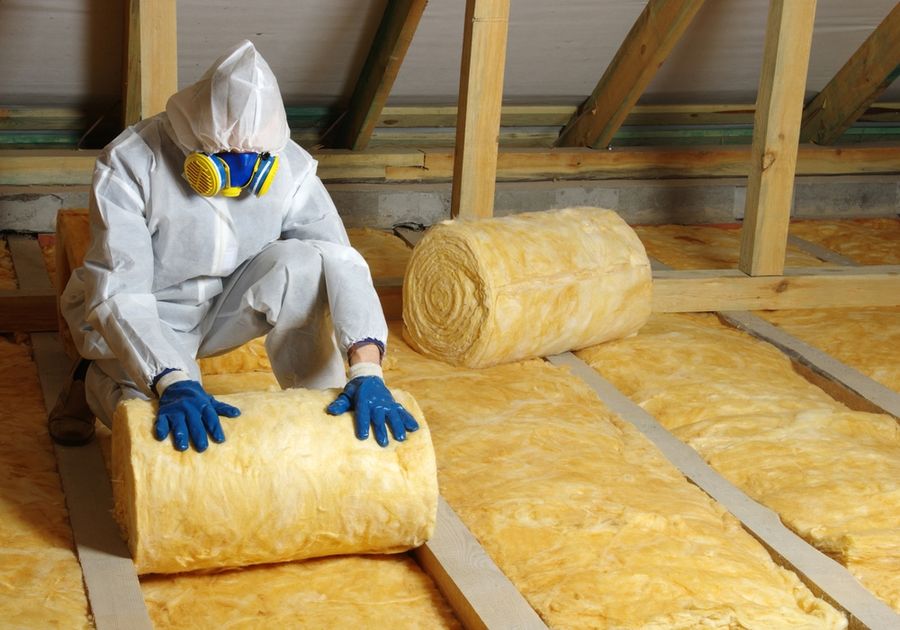
Heat loss isn't limited to windows and doors. Warm indoor air can escape through openings around attic hatches, plumbing penetrations, recessed lighting, and other gaps in the building envelope. Inadequate attic insulation can also allow heat to transfer through the ceiling more readily.
Begin by inspecting accessible attic areas for missing insulation, obvious gaps, and damaged materials. Improving attic insulation and air sealing can help reduce heat loss and maintain more consistent indoor temperatures. Insulation requirements vary by climate zone, so the appropriate amount depends on your location and existing construction.
Take precautions before attempting attic work. Some penetrations require fire-rated sealing materials, and insulation must maintain required clearances around certain fixtures and chimneys. Professional assistance may be appropriate when existing insulation is damaged, electrical hazards are present, or ventilation requirements are unclear.
6. Make Frequently Used Rooms Feel Warmer
Not every improvement needs to involve construction or mechanical equipment. Thoughtful furniture placement and comfortable furnishings can make frequently occupied rooms feel more inviting without increasing the actual air temperature.
Move chairs and sofas away from particularly cold windows or exterior walls when space permits. Adding an area rug over tile or other hard flooring can reduce the sensation of cold underfoot. Thick socks, slippers, and layered clothing provide additional personal warmth without requiring changes to the heating system.
Consider concentrating your everyday activities in the home's most comfortable areas during particularly cold weather. However, avoid shutting off heat to unused rooms in ways that could cause frozen pipes, moisture problems, or heating-system imbalances. Never use ovens, grills, or outdoor heating equipment to warm indoor spaces.
Create a Warmer Home With Small, Practical Changes
Improving winter comfort doesn't always require raising the thermostat or investing in expensive heating equipment. Sealing drafts, managing window coverings, circulating warm air, and maintaining unobstructed heating outlets can make existing systems more effective. Insulation improvements and simple changes to furnishings can provide additional benefits.
Start by identifying the rooms that feel coldest and investigating the likely causes. Address inexpensive maintenance problems first, then consider larger improvements when necessary. By combining better heat retention with thoughtful daily habits, you can make your home feel warmer and more comfortable throughout the winter without automatically increasing your heating settings.