

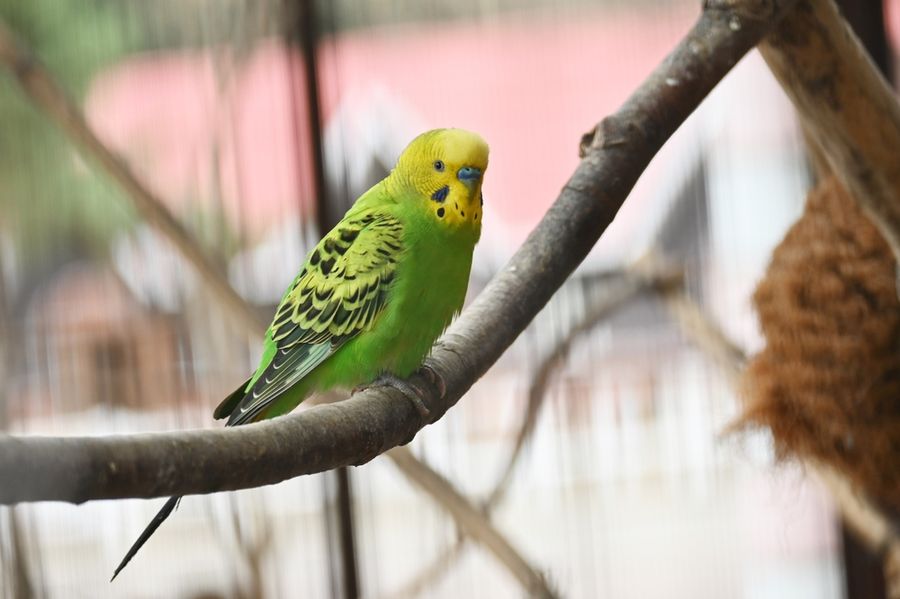
Parakeets are cheerful, colorful birds known for their playful personalities and remarkable ability to bond with their owners. Watching one swing between perches, investigate a new toy, or enthusiastically chatter can bring plenty of entertainment into a home. However, caring for a parakeet involves more than providing a cage and a bowl of birdseed. Understanding their unique needs before adoption can help ensure your feathered companion enjoys a happy, healthy life.
Understand Parakeet Personalities and Their Social Needs
Parakeets come in several varieties, but budgerigars, commonly called budgies, are among the most popular pet parakeets. Originally from Australia, these small parrots are intelligent, energetic, and naturally social. Many enjoy whistling, playing with toys, and interacting with familiar people. Some even learn to imitate words or short phrases. With appropriate care, budgies can live around 10 to 15 years, sometimes longer, so bringing one home requires a meaningful commitment.
One important consideration is companionship. Budgies naturally live in flocks and benefit from regular interaction with other birds of their species. Keeping a compatible pair is often preferable to housing one alone, particularly if you're away from home for extended periods. A single parakeet requires substantial daily attention and social enrichment. Before adopting, consider your household's schedule, available space, and ability to meet your bird's social needs. Choosing an established, compatible pair from a reputable rescue organization can be an excellent starting point.
Choose a Spacious Cage and Create a Comfortable Environment
Although parakeets are small, they need plenty of room to move, stretch their wings, and exercise. A narrow decorative cage isn't suitable for meeting their long-term needs. Choose the largest practical rectangular enclosure, prioritizing horizontal space because budgies naturally fly from side to side. For a pair, a flight cage approximately 36 inches wide or larger is a useful starting point, provided there's enough room for unrestricted movement. Bar spacing should generally be no wider than half an inch to prevent escapes and injuries.
Equip the enclosure with natural wooden perches of varying diameters, sturdy food and water dishes, and safe toys. Avoid overcrowding the cage with accessories that restrict movement. Place it in a comfortable room away from drafts, direct afternoon sunlight, and kitchen fumes. A well-designed enclosure provides security while supporting natural behaviors.
Provide a Balanced Diet Beyond Ordinary Birdseed
One of the most common mistakes new parakeet owners make is assuming that birdseed provides complete nutrition. Although budgies naturally eat seeds, an exclusively seed-based diet can contribute to nutritional deficiencies and obesity. A balanced diet should include high-quality pellets formulated for small parrots, along with suitable fresh vegetables and limited portions of other appropriate foods. Leafy greens, broccoli, carrots, and bell peppers can provide variety and valuable nutrients.
VCA Animal Hospitals recommends a predominantly pelleted diet for budgies, explaining that seed mixtures alone don't provide adequate nutrition. If your bird currently eats only seeds, introduce dietary changes gradually with guidance from an avian veterinarian. Sudden changes can be dangerous if the bird refuses unfamiliar food. Keep fresh water available, wash feeding dishes daily, and remove uneaten vegetables before they spoil. Avoid feeding avocado, chocolate, caffeine, alcohol, and other foods known to be dangerous for birds. A consistent, varied feeding routine supports long-term health.
Encourage Exercise, Play, and Mental Stimulation
Parakeets are active, intelligent birds that need daily opportunities to exercise and explore. Simply providing a cage with a few perches won't satisfy their physical and mental needs. Offer safe swings, ladders, shreddable toys, and foraging activities that encourage natural behaviors. Hiding small portions of food inside bird-safe toys can turn feeding into an entertaining challenge. Rotate enrichment items periodically to maintain interest, but introduce unfamiliar objects gradually because some birds become frightened by sudden changes.
Regular opportunities to fly are equally important. Once your parakeet has adjusted to its surroundings, allow supervised exercise outside the cage in a secure room. Close doors and windows, turn off ceiling fans, cover dangerous openings, and keep other pets away. The RSPCA recommends giving companion birds opportunities to fly freely in a safe environment rather than keeping them confined to small cages. Flight supports normal movement and provides valuable stimulation. A consistent daily routine can help keep your bird active, engaged, and confident.
Build Trust Through Gentle Handling and Training
Developing a relationship with a new parakeet takes patience, particularly if the bird hasn't been handled regularly. During the first several days, allow your pet to become familiar with its enclosure and household sounds. Sit nearby, speak softly, and avoid reaching suddenly into the cage. Once your parakeet appears comfortable, offer a favorite treat through the bars or from your hand. Let the bird decide when it's ready to approach rather than forcing interaction.
Positive reinforcement can help teach simple behaviors, such as stepping onto a finger or handheld perch. Reward small successes with praise or an appropriate treat, keeping training sessions short and enjoyable. Never grab, chase, or punish a frightened parakeet because doing so can damage trust and increase stress. Some birds learn quickly, while others need weeks or months to feel comfortable. Remember that a well-socialized parakeet may enjoy interacting with you without necessarily wanting to be touched. Respecting individual preferences helps build a stronger relationship.
Protect Your Parakeet From Household Hazards and Illness
Parakeets have sensitive respiratory systems, making ordinary household products potentially dangerous. Smoke, aerosol sprays, scented candles, and strong cleaning fumes should be kept away from birds. Overheated nonstick cookware containing PTFE can release fumes that are extremely toxic to pet birds. VCA Animal Hospitals warns that exposure can cause severe respiratory distress and even sudden death. Avoid PTFE-containing appliances and cookware in homes with birds, and never place a cage in the kitchen.
Daily cleaning and regular health monitoring are equally important. Replace soiled cage liners, wash food and water dishes, and inspect toys for damage. Schedule an initial examination with an avian veterinarian, followed by routine preventive visits. Watch for warning signs such as fluffed-up feathers, unusual inactivity, breathing difficulties, reduced appetite, or changes in droppings. Birds often conceal illness, so even subtle changes deserve attention. If your parakeet appears unwell, contact an avian veterinarian promptly rather than waiting for symptoms to worsen.
Give Your Feathered Friend a Wonderful Beginning
Bringing home a pet parakeet can be a delightful experience, especially for someone who enjoys observing intelligent animals and interacting with them regularly. However, responsible ownership requires more than providing basic food and shelter. Spacious housing, balanced nutrition, companionship, daily exercise, and a safe environment all contribute to a bird's physical and emotional well-being. Understanding the commitment involved helps create realistic expectations before adoption.
Take time to prepare your parakeet's enclosure, locate an experienced avian veterinarian, and establish a routine that includes feeding, cleaning, enrichment, and social interaction. Remember that building trust takes patience, and every bird develops relationships at its own pace. With gentle handling, thoughtful preparation, and consistent attention, your parakeet can become a fascinating companion whose cheerful songs, playful antics, and distinctive personality bring years of enjoyment into your home.