

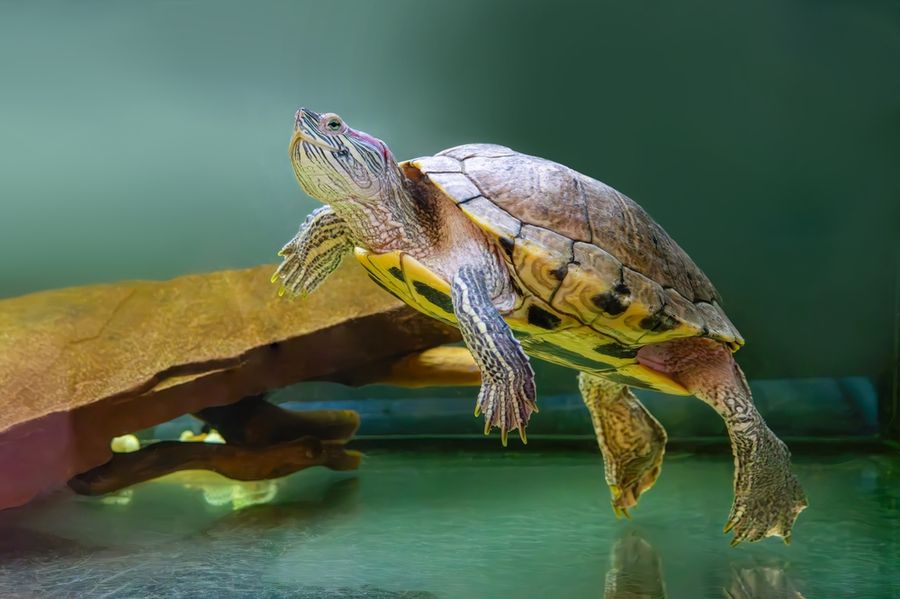
Pet turtles are fascinating creatures with unique personalities, interesting behaviors, and an appearance that makes them instantly recognizable. Watching one swim through the water, investigate its surroundings, or bask beneath a warm light can be surprisingly entertaining. However, turtles require far more specialized care than many first-time owners expect. From maintaining the right water temperature to providing proper lighting and nutrition, their needs extend well beyond a simple aquarium.
Choose the Right Turtle and Understand the Long-Term Commitment
Before bringing home a turtle, it's important to understand that different species have very different care requirements. Popular aquatic and semi-aquatic pet turtles include red-eared sliders, painted turtles, and musk turtles. Some spend most of their time swimming, while others require more opportunities to rest or explore outside the water. Land-dwelling tortoises and box turtles have different habitat needs, so they shouldn't be housed like aquatic species. Researching the specific animal you're considering is essential before purchasing equipment.
Turtles also represent a surprisingly long commitment. Many aquatic species can live for several decades with proper care, and some grow considerably larger than inexperienced owners anticipate. A red-eared slider, for example, may eventually require a substantial aquarium or indoor pond. Before adopting, consider whether you have enough space, money, and time to maintain an appropriate habitat throughout your pet's life. Check local ownership regulations and choose a captive-bred turtle from a reputable source rather than taking one from the wild.
Set Up a Spacious Aquarium With Proper Filtration
One of the most important parts of turtle ownership is creating an enclosure that provides enough room for swimming, exploring, and resting. Small plastic bowls and decorative desktop aquariums aren't suitable long-term homes for aquatic turtles. A commonly recommended starting guideline is approximately 10 gallons of aquarium capacity for every inch of shell length. For example, a turtle measuring four inches may need a tank of at least 40 gallons, with considerably larger accommodations required as it grows.
Aquatic turtles also produce substantial waste, making an effective filtration system essential. Choose a powerful aquarium filter suitable for the tank's size and the waste produced by turtles. You'll also need a water conditioner, thermometer, and suitable equipment for testing water quality. Regular partial water changes help maintain a healthy environment, even when filtration is working properly. Provide a stable basking platform that allows your turtle to climb completely out of the water. Avoid small gravel that could be swallowed, and make sure decorations don't create dangerous spaces where your pet could become trapped.
Provide the Right Heating, Lighting, and Basking Conditions
Turtles are ectothermic animals, meaning they rely on external heat sources to regulate their body temperature. Maintaining the correct water and basking temperatures is essential for digestion, activity, and overall health. Many commonly kept aquatic turtles require water temperatures around 75 to 82 degrees Fahrenheit, with a warmer basking area. However, requirements vary by species, age, and health, so research your turtle's specific needs rather than relying on one temperature setting for every animal.
Proper ultraviolet lighting is equally important. Turtles need access to UVB light to produce vitamin D3, which supports calcium absorption and healthy shell and bone development. Without adequate UVB exposure, they can develop metabolic bone disease. Provide suitable reptile UVB lighting and replace bulbs according to manufacturer instructions because their UV output declines over time. Position lighting safely above the basking platform, following equipment instructions. Remember that ordinary household light bulbs and sunlight passing through glass aren't substitutes for appropriate UVB exposure.
Understand Your Turtle's Diet and Feeding Requirements
A healthy turtle needs a balanced diet suited to its species and stage of life. Many commonly kept aquatic turtles are omnivores, meaning they eat both animal-based foods and plant material. High-quality commercial aquatic turtle pellets can provide a nutritional foundation, supplemented with appropriate leafy greens and other recommended foods. Younger turtles often require a higher proportion of protein than adults, while mature turtles may consume more vegetation. However, dietary needs differ considerably between species.
Avoid relying exclusively on dried shrimp or feeding large quantities of treats, since an unbalanced diet can contribute to nutritional deficiencies. Some turtles may also need additional calcium to support healthy shell development. Consult a reptile veterinarian about appropriate portions and feeding frequency. Remove uneaten food to prevent water contamination, and monitor your turtle's appetite. Maintaining proper nutrition is just as important as providing the correct aquarium conditions.
Practice Safe Handling and Maintain Good Hygiene
Although turtles can be fascinating to observe, they aren't necessarily pets that enjoy frequent handling or cuddling. Many become stressed when repeatedly picked up or removed from their familiar environment. When handling is necessary, support your turtle securely with both hands and keep it close to a safe surface. Avoid sudden movements, and never lift a turtle by its tail. Supervise interactions carefully, particularly when children are present.
Turtles can also carry Salmonella bacteria even when they appear healthy. According to the Centers for Disease Control and Prevention, pet turtles aren't recommended for households with children younger than five, adults aged 65 and older, or people with weakened immune systems because of the potential for serious illness. Always wash your hands with soap and water after handling your turtle or cleaning its habitat. Keep turtles and aquarium equipment away from kitchens and food preparation areas, and never clean their supplies in sinks used for preparing food.
Prepare for Veterinary Care, Cleaning, and Ongoing Expenses
Owning a turtle requires consistent maintenance and an understanding of potential health concerns. Check water temperatures, lighting, filtration, and your turtle's behavior every day. Remove uneaten food and visible waste regularly, and perform partial water changes as needed to maintain good water quality. Equipment such as filters, heating elements, and UVB bulbs also requires maintenance or replacement. Over time, aquarium upgrades may become necessary as your turtle grows.
Before adopting, locate a veterinarian experienced in treating reptiles. Warning signs of illness can include swollen eyes, unusual breathing, loss of appetite, difficulty swimming, and changes in shell appearance. Soft shell areas, unexplained discoloration, or persistent lethargy also warrant veterinary attention. Budget for routine examinations, unexpected medical care, electricity, food, water treatments, and replacement equipment. A properly maintained turtle habitat can represent a considerable investment, particularly for larger species. Understanding ongoing expenses beforehand helps ensure you're financially prepared to provide appropriate care throughout your pet's life.
A Fascinating Pet That Deserves a Proper Home
Bringing home a pet turtle can be a rewarding experience for someone who appreciates reptiles and enjoys observing their natural behaviors. However, successful turtle ownership requires more than purchasing an aquarium and providing food. Spacious housing, effective filtration, appropriate heating, UVB lighting, balanced nutrition, and careful hygiene all contribute to a healthy environment. Understanding your chosen species' adult size and lifespan is especially important before making a commitment.
Turtles generally aren't ideal pets for people seeking an affectionate animal that enjoys frequent physical interaction. They're better suited to owners who appreciate their unique behaviors and are willing to invest in specialized care. Before adopting, research the species thoroughly, prepare a complete habitat, and identify a qualified reptile veterinarian. With patience, proper equipment, and consistent attention, you can provide a safe, enriching home for a fascinating companion that may remain part of your life for decades.