

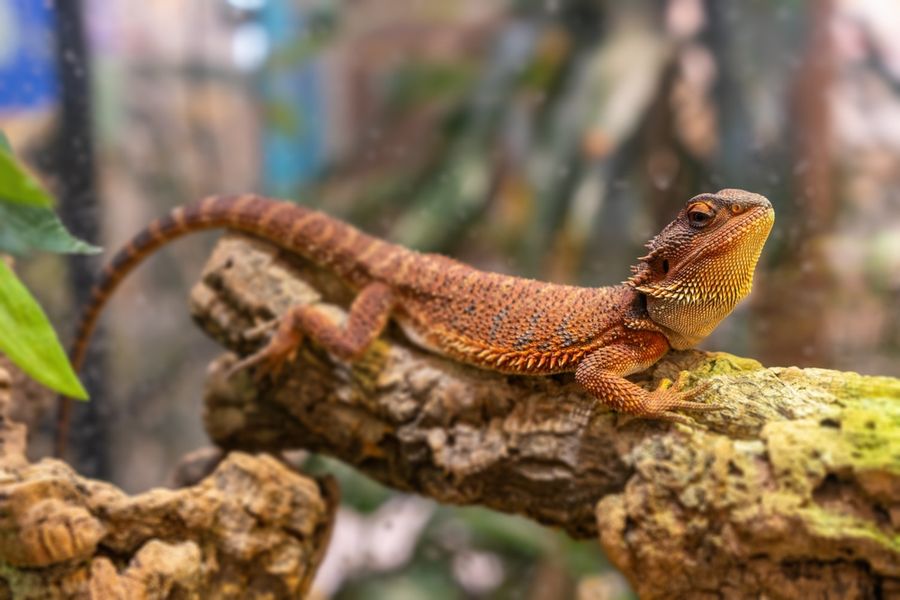
Bearded dragons have become popular reptile companions thanks to their curious personalities, distinctive appearance, and generally calm temperament. Watching one bask beneath a warm light, investigate its surroundings, or eagerly chase an insect can be surprisingly entertaining. However, caring for a bearded dragon requires more than purchasing a terrarium and providing occasional meals. Proper heating, specialized lighting, balanced nutrition, and regular veterinary care are essential for keeping the fascinating lizards healthy. Understanding their needs before adoption can help you create a safe, comfortable home.
Understand the Responsibilities of Bearded Dragon Ownership
Before bringing home a bearded dragon, consider the long-term commitment involved. Native to Australia, these reptiles can live around 10 to 12 years in captivity with appropriate care, sometimes longer. They also grow considerably larger than their size as hatchlings might suggest. Adult central bearded dragons commonly reach 18 to 24 inches in total length, including their tails. Their housing, feeding, and environmental needs change as they mature, so prospective owners should prepare for an adult-sized setup rather than relying on a small starter enclosure.
Bearded dragons are generally solitary animals and should be housed individually to prevent territorial disputes and injuries. Although many tolerate gentle handling, they aren't naturally affectionate in the same way as dogs or cats. Their care also involves ongoing expenses for electricity, specialized lighting, fresh vegetables, feeder insects, and veterinary services. Choosing a healthy, captive-bred animal from a reputable breeder or rescue organization can help you start responsibly. Before adopting, make sure you have enough space, time, and financial resources to meet your reptile's needs throughout its life.
Create a Spacious Enclosure With the Right Accessories
A suitable enclosure is one of the most important investments you'll make for your bearded dragon. Although young dragons are small, they need enough room to explore, climb, bask, and move between different temperature zones. For an adult, aim for an enclosure measuring at least 48 inches long, 24 inches wide, and 24 inches tall, with additional space whenever possible. Front-opening terrariums are particularly convenient because they allow easier access for feeding, cleaning, and handling without approaching the animal from above.
Choose a secure enclosure with proper ventilation and a solid, easy-to-clean floor. Suitable substrate options depend on your dragon's age, health, and husbandry setup. Textured tile and other reptile-safe solid surfaces can be practical for beginners. Add sturdy climbing branches, flat basking rocks, and hiding places on both the warm and cool sides. Bearded dragons also benefit from opportunities to dig and explore. Avoid sharp decorations, unstable structures, and materials that could cause injuries. The enclosure should encourage natural movement while remaining easy to maintain.
Provide Proper Heating, UVB Lighting, and Temperature Control
Bearded dragons are ectothermic reptiles, meaning they depend on environmental temperatures to regulate their body heat. Their enclosure needs a warm basking area and a cooler section where they can retreat when necessary. Temperature recommendations vary according to age, equipment, and how temperatures are measured, but basking surfaces are commonly maintained around 105 to 110 degrees Fahrenheit. The cooler side should generally remain around 75 to 85 degrees. Use reliable digital thermometers and an infrared temperature gun to monitor conditions accurately.
UVB lighting is equally essential because it allows bearded dragons to produce vitamin D3, which supports calcium absorption and healthy bone development. Without appropriate UVB exposure, they can develop metabolic bone disease, a potentially serious condition. Choose a suitable linear UVB fixture, follow the manufacturer's placement instructions, and replace bulbs as recommended. Avoid relying on heated rocks, which can cause burns, and consult a reptile veterinarian if you're unsure about your equipment.
Feed a Balanced Diet of Vegetables and Insects
Bearded dragons are omnivores, meaning their diet includes both plant and animal foods. However, the proportions change as they grow. Younger dragons generally need more insects to support development, while adults should receive a greater proportion of vegetables and leafy greens. Suitable options include collard greens, mustard greens, turnip greens, and squash. Appropriate feeder insects may include dubia roaches, crickets, and black soldier fly larvae. Avoid collecting insects outdoors because they may carry pesticides or parasites.
Feeder insects should be appropriately sized and fed nutritious food before being offered to your dragon. Calcium supplementation is also important, although the correct frequency depends on your pet's age, diet, and lighting setup. North Carolina State University's Veterinary Hospital recommends combining appropriate nutrition with proper heating and UVB lighting to support healthy calcium metabolism. Ask a reptile veterinarian for specific feeding and supplementation recommendations. Provide fresh drinking water in a shallow, stable dish, remove uneaten food promptly, and monitor appetite and body condition as your dragon matures.
Learn Safe Handling and Keep Your Dragon Mentally Stimulated
Many bearded dragons become comfortable with gentle handling, particularly when interactions are calm and predictable. However, a newly adopted dragon needs time to adjust to its surroundings before regular handling begins. Allow your pet to become familiar with its enclosure, feeding schedule, and household activity. When it's ready, approach slowly and support its entire body, including the legs and tail. Never lift a bearded dragon by its tail or restrain it forcefully.
Bearded dragons also benefit from opportunities to investigate their surroundings. Provide sturdy branches, textured surfaces, hiding areas, and occasional changes in enrichment materials to encourage natural behaviors. Supervised exploration in a secure, reptile-safe space can offer additional stimulation, provided the temperature is appropriate and other pets are kept away. Watch your dragon's body language during interactions. A darkened beard, repeated attempts to escape, or defensive movements may indicate stress. Respecting its boundaries helps develop trust and makes handling safer for everyone.
Maintain Good Hygiene and Watch for Health Problems
Keeping your bearded dragon healthy requires consistent enclosure maintenance and regular observation. Remove waste and uneaten food promptly, clean food and water dishes, and disinfect enclosure surfaces with reptile-safe products when necessary. Check temperatures and lighting equipment daily, and inspect your pet for changes in appetite, activity, or appearance. Schedule an initial examination with a reptile-experienced veterinarian and ask about routine health checks and parasite screening.
Bearded dragons can carry Salmonella bacteria even when they appear completely healthy. The Centers for Disease Control and Prevention recommends washing your hands after handling reptiles or their equipment and keeping reptile habitats away from kitchens and food preparation areas. Reptiles also aren't recommended for households with children younger than five, adults aged 65 or older, or people with weakened immune systems. Watch for warning signs such as persistent lethargy, loss of appetite, swollen limbs, abnormal breathing, or difficulty moving. Any concerning changes should be evaluated by a qualified veterinarian rather than treated with home remedies.
Your Bearded Dragon Essentials Checklist
Before bringing home your new reptile, make sure you've gathered the supplies needed to create a safe and comfortable environment.
- Spacious terrarium: An adult-sized enclosure measuring at least 48 by 24 by 24 inches, preferably larger.
- Secure flooring: Suitable reptile-safe substrate that's easy to maintain and appropriate for your dragon.
- Basking heat lamp: A properly installed overhead heat source for maintaining suitable basking temperatures.
- Linear UVB lighting: A reptile-specific UVB fixture positioned according to manufacturer guidelines.
- Temperature-monitoring equipment: Digital thermometers, a thermostat where appropriate, and an infrared temperature gun.
- Humidity gauge: A reliable hygrometer for monitoring enclosure humidity.
- Basking rocks and climbing branches: Stable structures that encourage natural climbing and basking behaviors.
- Hiding places: Secure retreats positioned in both warmer and cooler parts of the enclosure.
- Food and water dishes: Shallow, sturdy containers that are easy to clean.
- Fresh vegetables: Appropriate leafy greens and other reptile-safe produce.
- Feeder insects: Nutritious, appropriately sized insects from reliable suppliers.
- Calcium supplements: Reptile-specific supplements selected with veterinary guidance.
- Cleaning supplies: Reptile-safe disinfectant, paper towels, and dedicated enclosure-cleaning equipment.
- Secure travel carrier: A suitable carrier for veterinary visits and necessary transportation.
- Reptile veterinarian's contact information: Details for routine appointments and emergency care.
Having the enclosure fully assembled and running before your dragon arrives allows you to check temperatures, lighting, and equipment without exposing your new pet to unnecessary stress.
A Fascinating Companion That Deserves Specialized Care
Bringing home a bearded dragon can be an incredibly rewarding experience for anyone interested in reptiles and their fascinating behaviors. However, responsible ownership involves understanding their specialized environmental, nutritional, and healthcare requirements. A spacious enclosure, reliable heating, proper UVB lighting, balanced meals, and consistent hygiene are essential foundations for a healthy life.
Before adopting, take time to research your chosen dragon's needs and prepare a complete habitat. Remember that every reptile has its own temperament, and building trust often takes patience. With proper preparation, gentle interaction, and regular veterinary guidance, your bearded dragon can enjoy a safe, enriching environment for many years. The more thoughtfully you approach its care, the more opportunities you'll have to appreciate the unique personality and fascinating behaviors that make bearded dragons such memorable companions.