

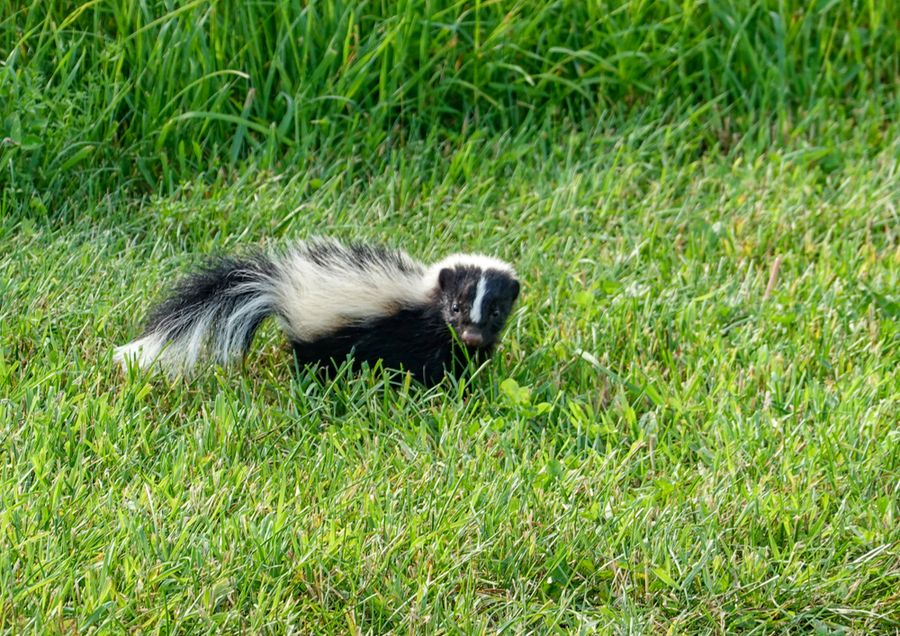
Spotting small holes scattered across your lawn can be frustrating, especially when fresh damage appears overnight. Skunks are common culprits, digging through grass and soil in search of insects and other food sources. Although nocturnal animals can help control certain lawn pests, their feeding habits may leave unsightly patches behind. Fortunately, understanding what attracts skunks and making a few targeted yard improvements can help discourage repeated digging without harming local wildlife.
Identify Whether Skunks Are Damaging Your Lawn
Before attempting to keep skunks away, confirm that they're responsible for the damage. Skunks typically create small, cone-shaped holes while searching for food beneath the soil. These depressions commonly measure approximately three to five inches across, although their size varies. Several holes may appear close together, especially in areas where insects are abundant.
Other animals can leave similar damage, making identification important. Raccoons often pull up larger sections of sod, while moles create underground tunnels and raised ridges. Skunks are most active at night, so the damage may appear before homeowners notice any wildlife. A motion-activated wildlife camera can help identify nighttime visitors without requiring direct contact.
1. Check Your Lawn for Grubs and Other Insects
Skunks frequently dig because they're searching for grubs, earthworms, and other soil-dwelling creatures. White grubs, which are the larvae of certain beetles, can become particularly attractive food sources when concentrated near the surface. However, digging alone doesn't prove that your lawn has a serious grub infestation.
Before applying pest-control products, inspect several areas of the lawn for significant grub populations. Carefully lift small sections of turf near damaged areas and examine the soil beneath them. Finding occasional grubs doesn't necessarily justify treatment, since small populations are common and may cause little harm.
If damaging grub populations are confirmed, contact your local cooperative extension office for treatment guidance appropriate to your region. Avoid automatically applying broad-spectrum insecticides, which can harm beneficial organisms without necessarily stopping skunks from searching for other food.
2. Remove Food Sources That Attract Skunks
Although insects are a major attraction, skunks also investigate yards for other food opportunities. Unsecured garbage, outdoor pet food, fallen fruit, and accessible compost can encourage repeated visits. Removing these attractants makes your property less rewarding for animals searching for an easy meal.
Keep garbage containers tightly closed, bring pet food indoors after feeding, and collect fallen fruit regularly. If you compost, use a secure container rather than leaving kitchen scraps exposed. Reducing accessible food and shelter around your property can discourage skunks from visiting and lingering.
Check bird feeders as well. Spilled seeds may attract rodents, which can provide another food source for skunks. Use a collection tray when appropriate and clean accumulated seed from the ground.
3. Eliminate Convenient Hiding and Denning Spots
Skunks often seek shelter beneath decks, porches, sheds, and other structures. Brush piles, stacked lumber, and cluttered corners can also provide protected spaces. When a yard offers both food and shelter, skunks may have more reasons to return.
Begin by removing unnecessary debris, trimming overgrown vegetation, and organizing stored materials. Keep firewood neatly stacked and inspect openings beneath outdoor structures. When no animals are occupying a space, suitable metal mesh barriers can help prevent future entry. Skunks are capable diggers, so effective barriers generally require underground protection rather than simply covering a visible opening.
Never seal a suspected den without confirming that it's empty. Young skunks may be present during breeding season, and trapping animals inside can create serious welfare and sanitation problems. A licensed wildlife professional can assess an occupied den and recommend appropriate exclusion methods.
4. Consider Physical Barriers for Vulnerable Areas
When skunks repeatedly disturb a particular section of your property, a physical barrier may offer more dependable protection than odor-based deterrents. Fencing is especially useful around vegetable gardens, newly established planting beds, and other areas where repeated digging causes significant damage.
Skunks are generally poor climbers but skilled diggers. An effective barrier may require wire mesh extending below ground to prevent animals from burrowing underneath. Secure the bottom carefully and inspect the perimeter for gaps.
Temporary fencing can also protect recently repaired sections of lawn while grass becomes established. Avoid loose netting that could entangle wildlife, and ensure barriers don't obstruct walkways or create hazards for pets and children.
5. Repair Damaged Grass and Maintain a Healthy Lawn
Once the main attractants have been addressed, repairing damaged areas can restore your lawn's appearance. Small digging holes often require little more than returning displaced soil to the depression and gently firming it. If grass roots remain intact, the surrounding turf may recover naturally.
For larger bare patches, loosen the soil surface and apply grass seed appropriate to your region and growing conditions. Water according to the seed's establishment requirements, and protect newly seeded areas from heavy foot traffic. Maintaining healthy turf through appropriate mowing, watering, and fertilization can also make lawn repairs more successful.
Avoid excessive watering simply to restore damaged grass. Saturated conditions can encourage other lawn problems, while unnecessary moisture may make some soil-dwelling organisms more accessible to foraging animals.
Protect Your Lawn Without Harming Wildlife
Keeping skunks from digging holes in your lawn begins with understanding why they're visiting. Checking for excessive grub populations, removing accessible food, eliminating shelter opportunities, and protecting vulnerable areas can help reduce repeated damage.
No single technique guarantees that skunks will disappear, particularly when neighboring properties offer attractive food sources. Focus on prevention rather than confrontation, and avoid chasing, cornering, or attempting to handle wild skunks.
If digging persists or an occupied den creates safety concerns, seek guidance from a qualified wildlife professional. With consistent maintenance and humane prevention methods, you can help preserve your lawn while allowing wildlife to remain part of the surrounding environment.