

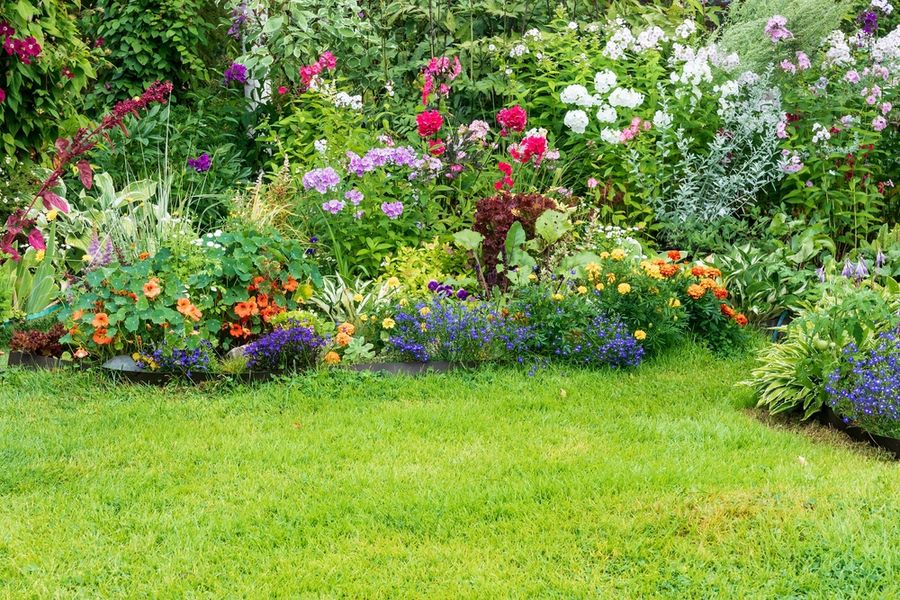
Heavy rainfall can leave lawns soggy, overwhelm drainage systems, and send water rushing across driveways and walkways. A rain garden offers an attractive way to manage some of that runoff while adding colorful plants to your landscape. Unlike an ordinary flower bed, it temporarily collects rainwater and allows it to soak into the ground. With careful planning, suitable plants, and proper soil preparation, homeowners can create a functional garden that reduces runoff and enhances their outdoor space.
Understand How a Rain Garden Works
A rain garden is a shallow, planted depression designed to capture runoff from roofs, driveways, patios, and other surfaces. Instead of allowing rainwater to flow directly into storm drains, it temporarily holds the water so it can gradually enter the soil. Plants and soil also help trap sediment and filter some pollutants carried by runoff.
Unlike a pond, a properly functioning rain garden shouldn't contain standing water continuously. Its effectiveness depends on adequate drainage, suitable soil conditions, and a design that accommodates incoming runoff. Native plants with established root systems can help maintain soil structure while providing habitat for pollinators and other beneficial wildlife.
Choose a Location That Collects Runoff Safely
Start by observing your yard during or shortly after rainfall. Look for the routes water takes from downspouts, paved surfaces, and sloping lawn areas. A gently sloping location downhill from these sources is often suitable, provided the soil can absorb water efficiently.
Keep the garden at least 10 feet away from your home's foundation to reduce the risk of directing moisture toward basement walls. Avoid septic systems, underground utilities, steep slopes, and locations with consistently saturated soil. Check local requirements for additional setbacks, and contact 811 before digging. The garden should also have a safe overflow route that doesn't direct excess water toward neighboring properties or buildings.
Test the Soil Before You Start Digging
Good drainage is essential because the garden must absorb collected water between storms. Before committing to a location, perform a simple soil infiltration test. Dig a hole approximately one foot deep and one foot wide, fill it with water, and observe how quickly the water disappears.
If water remains after 24 hours, the location may not be suitable for a straightforward rain garden. Very compacted soil or heavy clay may require specialized soil preparation or an engineered drainage solution. Avoid assuming that adding gravel alone will correct poor drainage, since underlying soil conditions determine how effectively water infiltrates.
Calculate the Garden's Size and Shape
The amount of runoff entering the garden determines how large it should be. A small section receiving water from one downspout may need considerably less space than a garden collecting runoff from an entire driveway. Soil infiltration, slope, and expected rainfall also influence the necessary dimensions.
As a general starting point, a rain garden may occupy one-eighth to one-third of the area draining into it, although actual sizing depends on site conditions. Many residential designs feature depressions approximately three to eight inches deep. Mark your proposed outline with a garden hose before digging, and keep the basin's bottom level so water spreads evenly rather than collecting at one end.
Shape the Basin and Direct Water Into It
Remove existing turf and excavate the garden according to your planned dimensions. Create gently sloping sides leading into a relatively flat bottom. On a slightly sloped site, excavated soil can help form a low berm along the downhill edge, allowing the basin to hold runoff temporarily.
Water can enter through a shallow grassy channel, a downspout extension, or another suitable conveyance. Place stones near concentrated entry points to help slow water and reduce erosion. Include a designated overflow area for heavy storms that exceed the garden's capacity.
Avoid compacting the bottom while working, since compacted soil can reduce infiltration. If the existing soil requires amendments, follow recommendations appropriate to its texture and drainage characteristics rather than using an identical soil mixture for every property.
Select Plants That Tolerate Wet and Dry Conditions
Rain garden plants must withstand changing moisture levels. The center of the garden receives the most water, while its sloping edges generally dry more quickly. Selecting plants according to these conditions improves their chances of becoming established.
Depending on your region, suitable choices may include blue flag iris, swamp milkweed, switchgrass, and certain native sedges. Some species prefer consistently moist conditions, so placement matters. Choose plants adapted to the wet basin and drier outer edges, taking sunlight and mature size into account.
Arrange taller plants toward the center or back, leaving shorter varieties near visible edges. Combining grasses and flowering perennials can provide seasonal interest while creating a more natural appearance.
Maintain Your Rain Garden as Plants Establish
Newly installed rain gardens require attention during their first growing seasons. Water plants when necessary between storms, remove weeds before they spread, and replace specimens that fail to establish. Apply suitable mulch to protect exposed soil and reduce erosion, keeping it away from plant crowns.
After heavy rainfall, inspect the inlet, basin, and overflow route for sediment buildup or blockages. Water should generally drain within 24–48 hours, depending on the approved design and local guidance. Persistent standing water indicates a problem that needs investigation. As the plants mature, maintenance typically becomes less demanding, although periodic weeding and clearing debris remain necessary.
Turn Rainfall Into a Landscaping Opportunity
A well-designed rain garden can help manage yard runoff while creating an attractive landscape feature. Success begins with choosing a safe location, testing drainage, sizing the basin appropriately, and selecting plants suited to changing moisture conditions.
Start with a manageable project that addresses a specific runoff source, such as one downspout or a section of patio. Monitor its performance through different storms and make adjustments when necessary. With proper installation and ongoing care, a rain garden can support healthier landscaping while reducing the amount of stormwater leaving your property.