

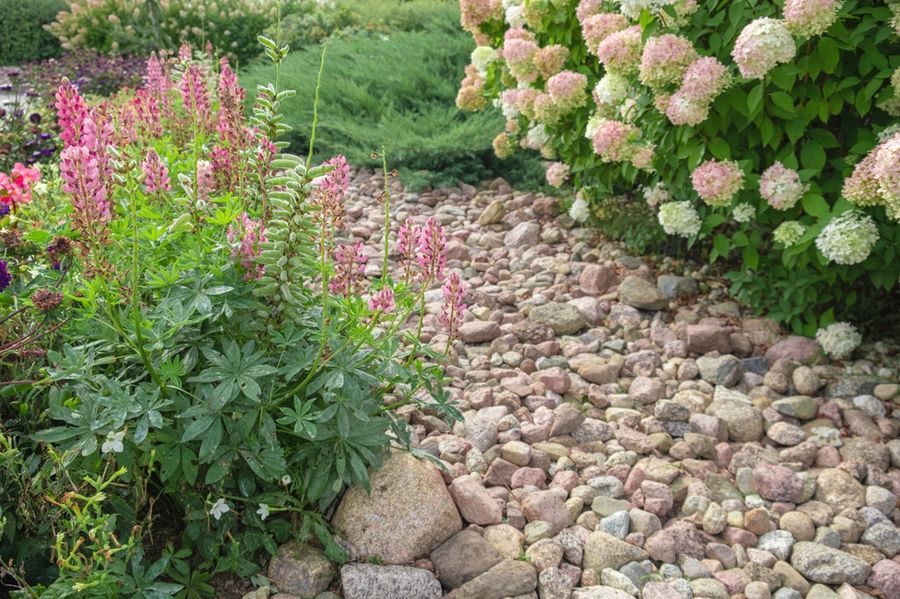
A gravel garden can transform a dry, difficult-to-maintain section of your yard into an attractive landscape that requires less watering and routine upkeep. By combining decorative gravel with carefully selected drought-tolerant plants, homeowners can create an outdoor space that offers color, texture, and seasonal interest. However, successful gravel gardening involves more than spreading stones over bare soil. Choosing the right location, preparing the ground properly, and understanding plant requirements are essential for lasting results.
Choose the Right Location for Your Gravel Garden
Before beginning, identify an area where a gravel garden would be both attractive and practical. Sunny locations with naturally well-draining soil are often ideal, particularly for plants adapted to dry environments. Consider replacing a struggling section of lawn, an exposed planting bed, or a narrow strip beside a walkway.
Observe how sunlight and rainwater move through the proposed location. Most drought-tolerant plants perform best when their roots aren't exposed to prolonged waterlogging. If rainwater regularly collects in the area, investigate drainage problems before installing gravel. Also consider nearby trees, since falling leaves can accumulate among stones and increase maintenance requirements.
Prepare the Soil Before Adding Gravel
Proper ground preparation can prevent several common gravel garden problems. Start by removing existing weeds, unwanted grass, and plant roots. For larger areas, consider removing turf in sections rather than disturbing the entire yard at once. Rake the soil to create a reasonably even surface while preserving natural drainage away from buildings.
Next, examine the soil's texture and drainage. Compacted ground may benefit from gentle loosening, but avoid automatically mixing gravel or sand into heavy clay. Adding these materials without considering existing soil conditions can actually make drainage problems worse. Soil improvements should match the plants being grown rather than follow a universal formula.
Avoid installing plastic sheeting beneath planting areas. Permanent landscape fabrics can also interfere with water movement, soil health, and future plant maintenance. Removing weeds thoroughly before planting is generally a better starting point for a living gravel garden.
Select Drought-Tolerant Plants for Your Climate
Choosing suitable plants is arguably the most important part of creating a low-maintenance gravel garden. Drought tolerance varies by species, and a plant that thrives in Arizona may struggle through a northern winter. Check your USDA hardiness zone, annual rainfall, soil conditions, and available sunlight before purchasing plants.
For sunny gardens, consider suitable varieties of sedum, creeping thyme, penstemon, or ornamental grasses. Lavender may work well in regions with appropriate winter conditions and excellent drainage. In drier western landscapes, water-wise ground covers can also provide attractive alternatives to traditional grass.
Arrange plants according to their mature height and spread. Position taller grasses or flowering perennials toward the back, with lower-growing varieties near paths. Group plants with similar watering requirements together to simplify irrigation and prevent some plants from receiving too much or too little moisture.
Apply Gravel Without Overcrowding Plants
Gravel provides the defining appearance of this garden style while covering exposed soil between plants. Choose a stone size and color that complements your home's exterior and surrounding landscape. Small pea gravel can create a softer appearance, while larger decorative stones are better suited to accents and borders.
For planted areas, gravel smaller than half an inch in diameter can help reduce evaporation and improve water infiltration. Spread it evenly around established plants, keeping stones away from stems and crowns. Avoid burying low-growing foliage or creating excessively deep layers that interfere with plant growth.
Consider installing edging to separate gravel from lawns, pathways, and neighboring garden beds. Metal, brick, or stone borders can help keep loose material contained. In particularly hot locations, remember that gravel can increase soil temperatures, so some plants may perform better with organic mulch instead.
Establish an Efficient Watering Routine
Although drought-tolerant plants are designed to withstand relatively dry conditions once established, newly planted specimens still require regular watering. Their roots need time to grow into the surrounding soil before they can reliably tolerate longer periods without rainfall.
Water new plants according to their species, soil conditions, and weather rather than following a rigid schedule. Some drought-tolerant shrubs may need supplemental irrigation for multiple growing seasons while becoming established. Gradually reduce watering as their root systems develop and the plants show healthy growth.
A simple drip irrigation system can deliver water directly to planting areas without soaking the entire gravel surface. Once established, many suitable plants require substantially less supplemental water than conventional lawns, although prolonged drought may still make occasional irrigation necessary.
Keep Maintenance Simple Throughout the Seasons
A gravel garden requires less frequent attention than many traditional landscapes, but it isn't completely maintenance-free. Remove weeds while they're small, trim spent flower stems when appropriate, and clear fallen leaves before they accumulate among the stones.
Inspect plant health seasonally and replace specimens that don't suit the location. Avoid excessive fertilization, since many drought-adapted plants thrive with relatively low nutrient inputs. Occasional pruning and thoughtful plant spacing can help prevent overcrowding as the garden matures.
Enjoy a Garden That Requires Less Upkeep
Creating a successful gravel garden begins with choosing an appropriate site, preparing the soil, and selecting plants adapted to local growing conditions. Proper gravel placement, efficient watering, and occasional maintenance can help keep the landscape attractive throughout the seasons.
Start with a manageable section of your yard and expand once you understand how the plants perform. With careful planning, a gravel garden can become a colorful, water-conscious alternative to traditional landscaping without demanding constant attention.