

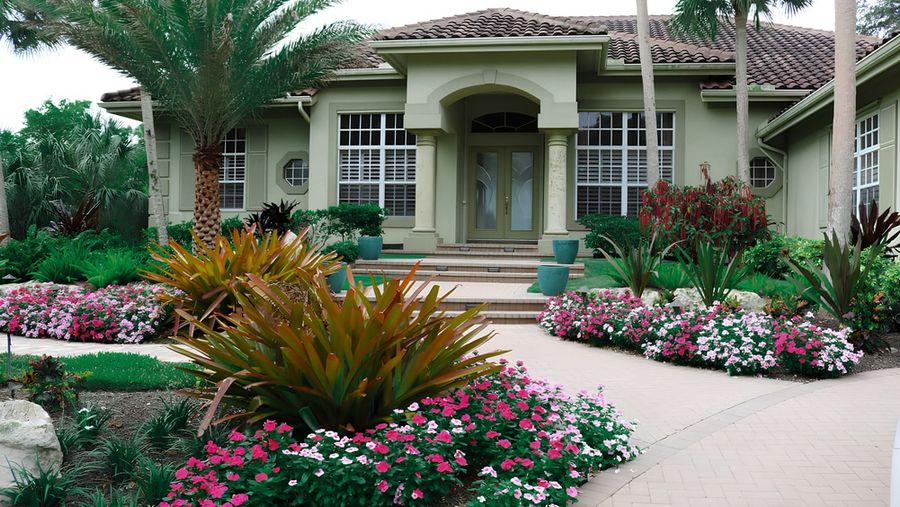
Your front yard creates the first impression visitors have of your home, but making it more attractive doesn't necessarily require expensive renovations or professional landscaping. Simple changes to planting beds, walkways, and existing greenery can transform an ordinary outdoor space into a welcoming entrance. Whether you're working with a small lawn or a larger property, several practical landscaping improvements can enhance curb appeal while keeping maintenance requirements and project costs manageable.
1. Refresh Garden Beds With Mulch and Clean Edges
Overgrown garden beds and uneven borders can make an otherwise attractive front yard appear neglected. One of the easiest improvements is defining the edges between your lawn and planted areas. Use a manual edging tool or flat shovel to create smooth boundaries around flower beds, shrubs, and walkways.
After removing weeds and debris, apply a fresh layer of shredded bark or wood chips. A mulch layer approximately two to four inches deep can help conserve soil moisture, discourage weeds, and protect the soil surface. Keep mulch away from tree trunks and plant stems to avoid trapping excess moisture against them. Choosing one consistent mulch color also helps create a more coordinated appearance.
2. Add Colorful Perennials Near Your Entrance
A few well-placed flowering plants can make a front yard feel more cheerful without requiring a complete garden redesign. Perennials are particularly appealing because established plants can return year after year, reducing the need for seasonal replanting.
Consider black-eyed Susans, coneflowers, coreopsis, or other flowering perennials suited to your climate. Arrange taller varieties toward the back of garden beds and shorter plants near walkways. Grouping several plants of the same variety can create a stronger visual effect than scattering individual flowers throughout the yard.
Choose plants based on sunlight, soil drainage, and mature size rather than appearance alone. Including varieties that bloom at different times can also provide color across more of the growing season.
3. Create a Clear and Attractive Walkway
An inviting front entrance should be easy to reach. Cracked stepping stones, overgrown paths, and uneven surfaces can make a yard look unfinished while creating potential tripping hazards. Improving the walkway can therefore enhance both appearance and everyday functionality.
Begin by trimming plants that extend into the path and removing weeds growing between pavers. Replace loose or damaged stepping stones, and fill small gaps with materials appropriate for the existing surface. If your yard lacks a defined path, consider adding a short walkway using compatible pavers or stepping stones over a properly prepared base.
For additional character, plant low-growing flowers alongside the walkway. Keep vegetation from obstructing the route, and ensure the surface remains stable and accessible during wet weather.
4. Replace Difficult Lawn Areas With Decorative Planting Beds
Small patches of grass can be surprisingly demanding, especially when located on steep slopes, beneath trees, or in narrow spaces beside driveways. Replacing these troublesome sections with attractive planting beds may create a more intentional landscape while reducing repetitive mowing.
Start with a manageable section rather than removing the entire lawn. Even a small four-by-four-foot area can accommodate ornamental grasses, compact shrubs, or flowering plants. Select species suited to the available sunlight and growing conditions, and arrange them according to their mature sizes.
Avoid placing tall plants where they could obstruct windows, sidewalks, or driveway visibility. A thoughtfully designed planting bed can add texture and seasonal interest without crowding the front of your home.
5. Add a Small Ornamental Tree or Focal-Point Shrub
A front yard often benefits from one prominent landscaping feature that draws attention without overwhelming the property. A compact ornamental tree or flowering shrub can provide this focal point while adding height, texture, and seasonal color.
Depending on your region, suitable choices might include serviceberry, certain compact crabapple varieties, or smaller flowering shrubs. Place the plant where its mature canopy will have adequate space and where branches won't obstruct walkways or windows.
Before planting, check for underground utilities, overhead wires, and nearby structures. Position trees far enough from the house to accommodate mature roots and branches, following appropriate planting distances based on their mature size. Choosing a species adapted to your climate can help reduce watering and maintenance demands once the plant becomes established.
6. Use Matching Planters to Frame the Front Door
Container plants offer an easy way to improve a front entrance without digging new garden beds. Matching planters placed beside a doorway, at the bottom of porch steps, or along a wide walkway can create a welcoming, balanced appearance.
Choose containers that complement your home's exterior colors and architectural style. Upright evergreens, compact flowering plants, and trailing foliage can provide different shapes and textures. For seasonal variety, replace summer flowers with cold-tolerant plants or decorative winter greenery.
Make sure containers have adequate drainage and won't interfere with doors or walking paths. Larger planters may provide more stable growing conditions, although their weight can make relocation difficult. Grouping containers of different heights can also create visual interest when a perfectly symmetrical arrangement isn't practical.
Create Lasting Curb Appeal With Simple Improvements
Making your front yard more inviting doesn't require transforming the entire property at once. Refreshing mulch, planting colorful perennials, improving walkways, replacing difficult grass areas, and adding carefully selected focal plants can create noticeable changes through manageable projects.
Start by addressing the features that have the greatest visual impact, such as an untidy entrance or neglected garden bed. Then introduce improvements that complement your home's appearance and suit your maintenance preferences.
The most successful landscaping updates combine attractive design with practical upkeep. By choosing appropriate plants, maintaining clear pathways, and keeping garden beds organized, you can create a welcoming front yard that remains enjoyable throughout the changing seasons.