

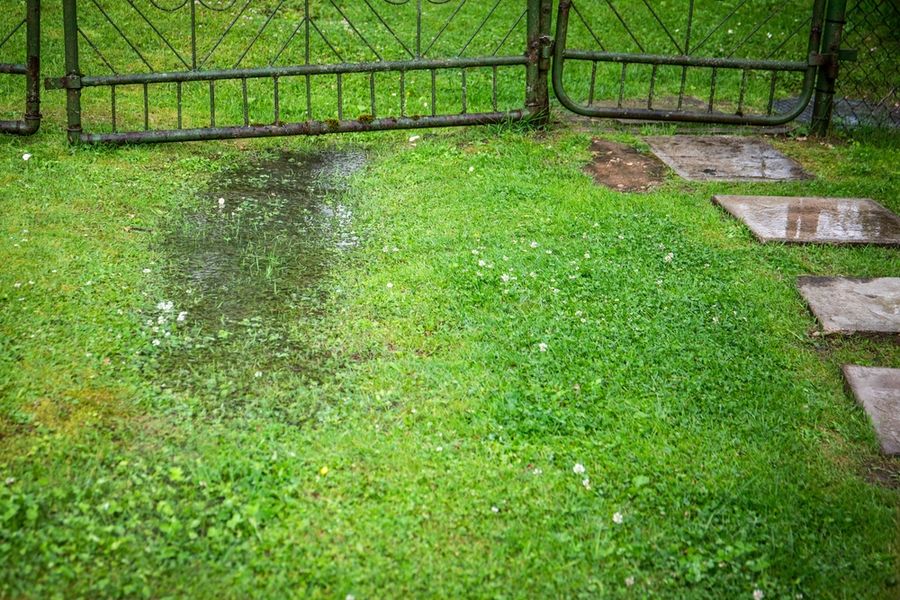
Poor drainage can turn an otherwise attractive yard into a muddy, waterlogged space while potentially causing moisture problems around your home's foundation. Standing water, overflowing gutters, and soggy lawns are common concerns, especially after heavy rainfall. Fortunately, improving drainage doesn't always require extensive excavation or expensive landscaping projects. Several straightforward maintenance tasks and smaller yard improvements can help redirect excess water, reduce pooling, and protect vulnerable areas around your property before more serious problems develop.
1. Clean Your Gutters and Extend Downspouts
Gutters collect rainwater from your roof and channel it toward downspouts. When they become clogged with leaves, dirt, or other debris, water can spill over the edges and soak into the ground surrounding your foundation. Start by inspecting your gutters for blockages, loose connections, and sagging sections. Remove accumulated debris safely, or hire a professional if reaching the gutters requires working at dangerous heights.
Next, examine where your downspouts release water. Ideally, runoff should be discharged at least five feet away from the foundation onto ground that slopes away from the house. Flexible downspout extensions are relatively simple to install and can help move water farther from vulnerable areas. Position them where runoff won't create puddles, damage landscaping, or flow toward neighboring properties.
2. Fill Small Depressions That Collect Water
Uneven ground can create shallow depressions where rainwater collects instead of flowing away naturally. These low spots often develop through soil settling, repeated foot traffic, or changes to the surrounding landscape. If puddles consistently appear in the same location, examine the ground after a storm to determine whether a small depression is responsible.
Once the soil has dried enough to work, remove damaged grass and fill the depression with suitable topsoil. Shape the surface to create a gentle slope toward an appropriate drainage area, then lightly firm the soil and replace the grass or seed the affected section. Near the house, maintaining a ground slope that directs water away from the foundation is especially important. Avoid adding soil against siding, blocking drainage openings, or redirecting runoff toward another building.
3. Aerate Compacted Areas of Your Lawn
Compacted soil can make drainage problems worse by reducing the spaces through which water normally moves. Areas exposed to frequent walking, lawn equipment, or vehicle traffic are particularly vulnerable. When the ground becomes heavily compressed, rainwater may accumulate on the surface rather than soaking into the soil.
Using a core aerator can help relieve this compaction. The machine removes small plugs of soil, creating openings that allow air and water to move more freely. Unlike spike aerators, which push surrounding soil aside, core aerators physically remove soil plugs. For best results, aerate when the grass is actively growing and the soil is moist but not saturated. Aeration can improve compacted lawns, but it won't resolve flooding caused by poor grading or a persistently high water table.
4. Improve Drainage in Garden Beds
Garden beds can develop drainage problems when soil becomes compacted or receives excessive runoff from nearby roofs, patios, or walkways. Plants growing in consistently saturated soil may struggle because their roots cannot access enough oxygen. Identifying whether the problem involves soil structure or incoming water is an important first step.
For compacted beds, gently loosen the surface soil without disturbing established roots. Incorporating suitable compost into unplanted areas can gradually improve soil structure, while mulch helps protect the surface from erosion during heavy rainfall. Avoid digging when the ground is saturated, since working wet soil can make compaction worse. If water regularly flows into the bed from another part of the property, consider redirecting that runoff rather than relying entirely on soil amendments. Choose plants that tolerate the site's natural moisture conditions when drainage cannot be substantially improved.
5. Build a Small Rain Garden
A rain garden can provide an attractive way to manage runoff from roofs, driveways, and other hard surfaces. Unlike a conventional flower bed, it features a shallow depression designed to collect rainwater temporarily and allow it to soak into the soil. Native grasses, flowering perennials, and other moisture-tolerant plants can make the area visually appealing while helping absorb water.
Choose a location that receives runoff but drains naturally between storms. A rain garden should generally be positioned at least 10 feet from building foundations to reduce the risk of basement moisture problems. Before digging, check for underground utilities, septic systems, and local stormwater requirements. Test the soil's drainage capacity, then select plants suited to your region and site conditions. Avoid placing a rain garden in an area where water already remains standing for several days, as poorly draining soil may require another solution.
Keep Your Yard Drier With Regular Maintenance
Improving drainage doesn't always require extensive excavation or major landscaping changes. Cleaning gutters, extending downspouts, filling shallow depressions, aerating compacted soil, and improving garden beds can address several common causes of standing water. A small rain garden may also help manage runoff when the location and soil conditions are suitable.
Start by observing where water collects during rainfall and identifying its likely source. Address straightforward maintenance issues first, then evaluate whether additional improvements are necessary. If water repeatedly enters your basement, collects against foundation walls, or causes significant erosion, consult a qualified drainage professional. With consistent maintenance and properly targeted improvements, you can help protect your property while keeping your yard more comfortable and usable.