

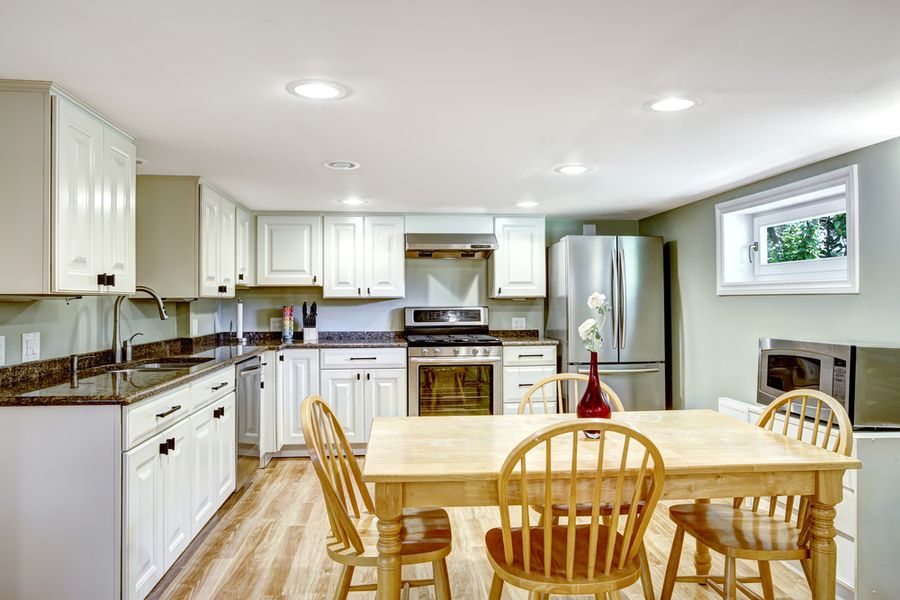
Converting an unused basement into a rental unit can create an additional income stream while making better use of your home's existing space. However, transforming a storage area or recreation room into a legal apartment requires more than installing a kitchen and bathroom. Zoning restrictions, building codes, safety requirements, and construction costs all influence whether the project is feasible. Following a few essential steps can help homeowners plan a compliant, comfortable rental space while avoiding expensive mistakes.
1. Confirm That Your Property Qualifies for a Rental Unit
Before designing your basement apartment, determine whether local zoning rules permit an additional residential unit on your property. These apartments are sometimes classified as accessory dwelling units (ADUs), secondary suites, or accessory apartments. Regulations vary considerably between states, counties, and municipalities, so a conversion permitted in one neighborhood may face restrictions elsewhere.
Contact your local planning or building department to ask about zoning eligibility, occupancy requirements, parking provisions, and necessary approvals. Some jurisdictions allow homeowners to convert existing basement space into an accessory dwelling unit, provided the project meets applicable standards. Also check homeowners association restrictions and any mortgage or insurance requirements that could affect rental use. Confirming eligibility before purchasing materials or hiring contractors can prevent substantial financial losses.
2. Inspect the Basement for Moisture and Safety Problems
A basement must be safe, dry, and suitable for year-round occupancy before it can become a rental apartment. Begin by examining foundation walls, floors, windows, and plumbing for signs of leaks, water damage, or mold. Persistent dampness may indicate drainage problems that require correction before finishing the space.
Test for radon before renovating, even if previous testing elsewhere in the house produced acceptable results. Radon can accumulate in lower levels, and testing the basement before converting it into living space helps identify potential exposure problems while corrective work is easier to perform.
Also evaluate ceiling height, ventilation, stairs, and emergency exits. Bedrooms may require compliant escape windows or doors, depending on local codes. Some basement sleeping rooms must have emergency escape and rescue openings that meet specific dimensional and accessibility requirements. A qualified contractor or building inspector can help determine whether the existing structure can accommodate these features.
3. Design a Functional Layout and Establish Your Budget
Once the basement's eligibility and physical condition are understood, develop a layout that accommodates essential living functions. A self-contained apartment typically needs a sleeping area, bathroom, kitchen facilities, and suitable living space. Consider how occupants will enter the apartment, move between rooms, and access utilities without unnecessarily disrupting the main household.
Prioritize natural light, ventilation, storage, and privacy when arranging the space. An independent entrance may improve convenience, but constructing one could involve excavation, drainage work, and structural modifications. Placing a new bathroom or kitchen near existing plumbing may reduce installation complexity, although the final design must still meet applicable building requirements.
Prepare a detailed budget covering design services, permits, plumbing, electrical work, heating, insulation, flooring, fixtures, and finishing materials. Include a contingency for unexpected conditions uncovered during construction. Obtain several itemized contractor estimates and distinguish essential safety improvements from optional decorative upgrades. Comparing potential rental income with total construction and ongoing operating costs can help determine whether the project makes financial sense.
4. Obtain Permits and Complete the Conversion Safely
A basement rental conversion commonly requires more extensive approval than a basic cosmetic renovation. Depending on the jurisdiction and project scope, you may need building, electrical, plumbing, and mechanical permits. Changes involving structural walls, exterior entrances, or additional dwelling units may also require professional plans.
For example, converting a basement into habitable space can require building permits and separate trade permits. Confirm the applicable requirements before construction begins, and schedule inspections at the appropriate stages. Avoid covering new wiring, plumbing, or structural work before required inspections have been completed.
Hire properly licensed professionals for work that requires specialized expertise. Pay particular attention to fire separation between units, smoke and carbon monoxide alarms, electrical capacity, ventilation, and safe exits. The specific standards depend on local codes and the building's construction. Request copies of final inspection approvals and any occupancy authorization required before advertising the apartment.
5. Prepare the Apartment for Legal Rental Occupancy
After construction is complete, address the responsibilities associated with becoming a landlord. Confirm that the apartment has satisfied all inspection and occupancy requirements, and update your homeowners insurance to disclose its rental use. Review local rules concerning rental registration, security deposits, lease terms, and landlord access.
Develop a written lease explaining rent, utilities, maintenance responsibilities, and other lawful conditions. Establish consistent tenant-screening procedures and avoid discriminatory advertising or selection practices. Federal fair housing protections apply to many rental arrangements, although certain exemptions and additional state protections may affect individual properties.
Plan for the financial responsibilities as well. Rental income generally must be reported for federal income tax purposes, while qualifying expenses may be deductible. When renting part of your primary residence, certain shared expenses must be allocated between personal and rental use. Keep detailed records of construction costs, repairs, rental payments, and operating expenses, and consider consulting a tax professional.
Turn Your Basement Into a Practical Long-Term Investment
Converting a basement into a rental unit can create additional housing and provide ongoing income, but success depends on careful preparation. Confirming legal eligibility, addressing moisture and safety concerns, developing a realistic budget, securing permits, and understanding landlord responsibilities are essential steps.
Before committing to construction, evaluate whether the expected rental income justifies the investment and ongoing maintenance. A well-planned conversion should provide a safe, comfortable home for tenants while protecting the homeowner from avoidable legal, financial, and structural problems.