

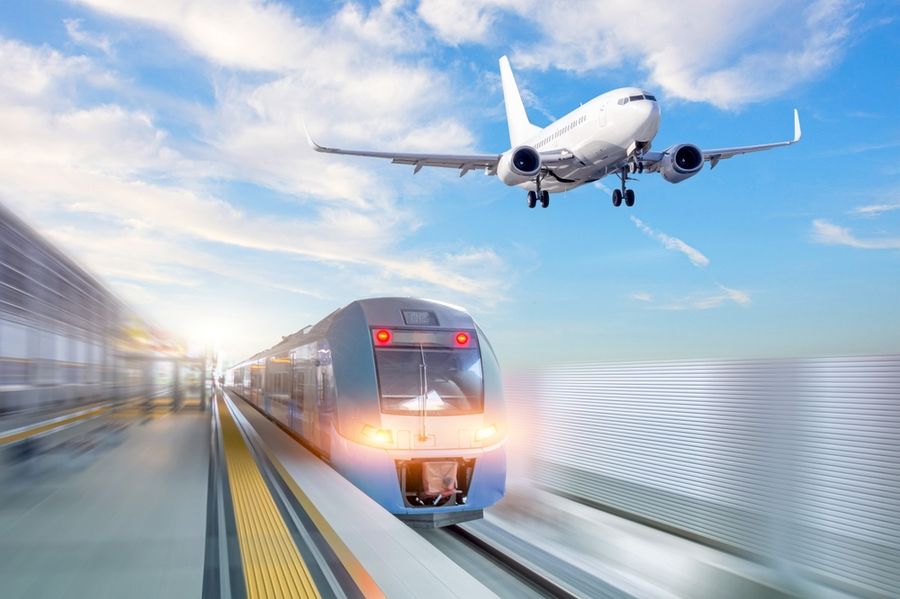
Choosing between traveling by train and flying can make a significant difference in how you experience your next vacation. While airplanes offer speed and access to distant destinations, trains provide scenic views, comfortable seating, and a more relaxed journey. However, ticket prices, travel times, luggage restrictions, and convenience can vary considerably depending on your route. Understanding the advantages and disadvantages of each transportation option can help you make a smarter decision and enjoy a smoother, more comfortable trip from beginning to end.
Compare Total Travel Time, Not Just the Journey
Flying is generally the faster option when traveling long distances, particularly between countries or across continents. A flight that takes a few hours might replace an entire day of train travel. However, the time spent in the air doesn't tell the whole story. Getting to the airport, checking luggage, passing through security, and waiting to board can add several hours to your journey. Many airports recommend arriving at least two hours before domestic flights and three hours before international departures.
Trains often depart from centrally located stations, eliminating lengthy airport transfers and reducing pre-departure waiting times. On routes connecting nearby cities, high-speed rail can sometimes match or even outperform flying when total travel time is considered. Before booking, compare the complete door-to-door journey, including ground transportation, connections, and potential delays. For shorter routes, trains may offer greater convenience, while flying usually makes more sense for longer distances.
Understand the Differences in Ticket Prices and Extra Fees
Transportation costs can vary dramatically depending on the destination, travel dates, and how far in advance you book. Budget airlines sometimes advertise extremely low fares, making flying appear significantly cheaper than taking a train. However, additional charges for checked luggage, seat selection, and other services can increase the final price. Airport transfers and parking fees may also add unexpected expenses, especially when airports are located far from city centers.
Train tickets can offer excellent value on shorter routes, particularly when purchased in advance or during promotional sales. Some rail operators provide discounted fares for children, seniors, or travelers booking multiple journeys. However, high-speed and long-distance train tickets can be expensive during busy periods, and sleeper accommodations often cost considerably more than standard seats. Compare the total transportation cost rather than focusing solely on the advertised fare. Remember to include baggage charges, transfers, meals, and any additional services you'll need.
Consider Comfort, Space, and the Overall Experience
Comfort is one of the biggest differences between traveling by train and flying. Standard train seats often provide more legroom than economy airline seats, and passengers can usually move around more freely during the journey. Many trains also offer spacious windows, café cars, and convenient access to restrooms. Watching mountains, countryside villages, and beautiful coastlines pass by can make the journey feel like part of the vacation rather than simply transportation between destinations.
Airplanes offer different advantages, particularly when you want to reach your destination quickly. Modern aircraft may include entertainment systems, onboard Wi-Fi, and food or beverage service, depending on the airline and ticket category. However, limited legroom, crowded cabins, turbulence, and lengthy periods of sitting can make longer flights uncomfortable. Travelers who value personal space and freedom of movement may prefer trains, while those who prioritize reaching their destination efficiently might find flying more appealing.
Look at Luggage Rules and Boarding Convenience
Luggage restrictions can significantly influence your transportation choice, especially when traveling with several suitcases or bulky personal items. Airlines typically enforce specific limits on carry-on dimensions, checked baggage weights, and prohibited items. Additional bags may require separate fees, depending on the airline and ticket type. Security screening can also involve restrictions on liquids and other belongings, making careful packing essential before departure.
Train travel often provides more generous baggage allowances and simpler boarding procedures. For example, Amtrak generally allows passengers to bring two carry-on bags and one personal item without additional charges, subject to size and weight restrictions. However, policies vary between rail operators, and passengers may need to lift their luggage into overhead racks or designated storage areas. If you're traveling with children, sports equipment, or large suitcases, review both transportation providers' baggage policies before booking. The easier option may depend on how much you're bringing.
Weigh Reliability, Weather Delays, and Environmental Impact
Both trains and airplanes can experience delays, but the reasons often differ. Flights may be disrupted by severe weather, air traffic congestion, mechanical issues, or staffing challenges. Rail journeys can also face interruptions caused by track maintenance, equipment problems, extreme weather, and infrastructure disruptions. Neither option guarantees an uninterrupted trip, so checking service updates and allowing sufficient connection time is important regardless of how you travel.
Environmental impact is another consideration, particularly for travelers interested in reducing their carbon footprint. According to the European Environment Agency, passenger rail generally produces substantially fewer greenhouse gas emissions per passenger-kilometer than commercial aviation. Actual emissions depend on factors such as train occupancy, electricity sources, aircraft efficiency, and distance traveled. When practical rail connections are available, choosing a train can be a more environmentally responsible option, especially for shorter journeys.
Choose the Transportation That Fits Your Travel Priorities
The best transportation option depends on where you're going, how much time you have, and what matters most during your vacation. Train travel is particularly appealing when visiting several cities connected by reliable rail networks, such as destinations throughout much of Western Europe. It's also a wonderful choice for travelers who enjoy scenic landscapes, relaxed schedules, and the freedom to move around. However, limited routes, lengthy journeys, and inconvenient connections can make rail travel less practical in certain regions.
Flying is often the better choice for international trips, remote destinations, or vacations where time is limited. If you're traveling across the United States or between continents, air travel can save an enormous amount of time. Before deciding, compare ticket prices, departure locations, luggage requirements, and total journey times. You can also combine both options, flying to your main destination and using trains to explore nearby cities. Mixing transportation methods may offer the best balance of convenience, comfort, and memorable experiences.
The Best Journey Is the One That Works for You
Traveling by train and flying each offer distinct advantages, and neither is automatically the better choice for every vacation. Airplanes provide speed and access to faraway destinations, while trains often deliver a more comfortable, scenic, and convenient experience on shorter routes. The right decision depends on your budget, schedule, destination, and personal travel preferences.
Before booking your next trip, look beyond the ticket price and consider the entire journey. Think about how much time you'll spend getting to stations or airports, whether luggage fees apply, and how comfortable you'd like to be along the way. Sometimes, reaching your destination quickly is the priority. Other times, slowing down and enjoying the scenery can be part of the adventure. Choosing transportation that fits your needs helps ensure your vacation starts on the right track.