

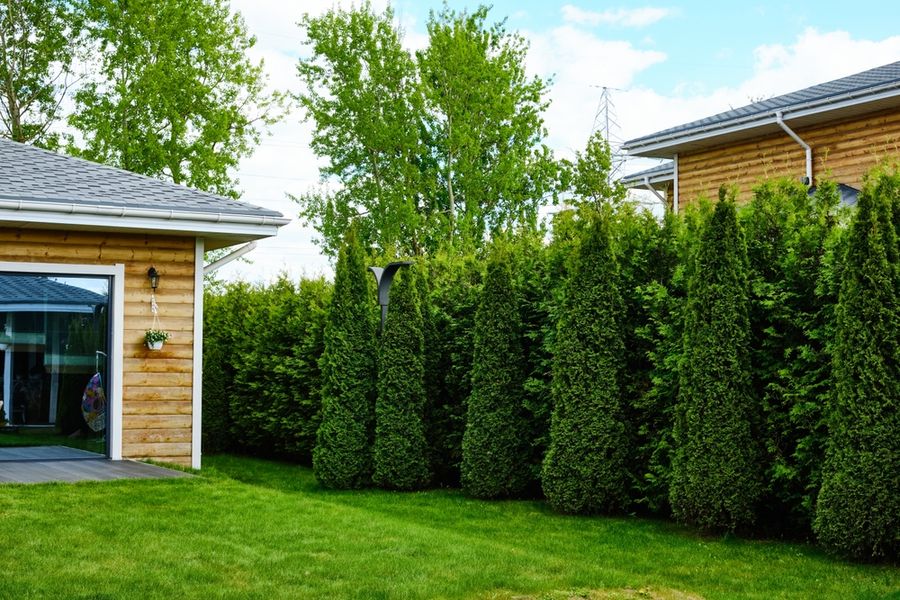
A small backyard can provide a welcome escape from everyday life, but nearby houses, shared property lines, and overlooking windows can make privacy difficult to maintain. Fortunately, creating a more secluded outdoor space doesn't necessarily require building a tall fence or undertaking expensive landscaping projects. Strategic planting, decorative screens, and carefully positioned outdoor structures can help block unwanted views while preserving usable space. Several practical solutions offer different ways to make a compact backyard feel more private and comfortable.
1. Install Decorative Privacy Screens
Freestanding privacy screens offer one of the quickest ways to block unwanted views without enclosing an entire backyard. Available in wood, metal, composite, and weather-resistant plastic, these panels can create separation between neighboring properties or shield specific seating areas.
For a compact yard, consider installing a screen behind an outdoor sofa, beside a dining table, or near a frequently used patio. Slatted wooden panels offer a softer appearance, while solid panels provide greater visual coverage. Decorative metal screens with cutout patterns can add character, although their openings may allow more visibility than expected.
Before purchasing, measure the area and identify the direction from which neighbors can see into your yard. Choose panels tall and wide enough to interrupt those sightlines without overwhelming the space. Secure freestanding screens properly against wind, and check local fencing or structure restrictions before installation.
2. Create a Natural Barrier With Narrow Shrubs
Plants can provide privacy while adding greenery and softening the appearance of surrounding buildings. Unlike solid fencing, shrubs create a more natural boundary that changes with the seasons. However, selecting suitable varieties is important when planting space is limited.
Compact evergreen shrubs, including certain arborvitae, holly, and juniper varieties, may provide year-round coverage. For example, some narrow-growing junipers and arborvitae mature at approximately three to four feet wide, making them potential choices for tighter areas. Selecting shrubs suited to privacy screening requires considering mature height, width, sunlight, and local growing conditions.
Avoid planting shrubs too closely simply to achieve immediate coverage. Crowded plants may compete for water and nutrients, potentially creating maintenance problems later. Mixing compatible species can also reduce the risk of losing an entire screen to a single pest or disease.
3. Use Trellises and Climbing Plants
Vertical gardening is particularly useful when a backyard has little room for wide planting beds. A narrow trellis can support climbing plants while creating a partial visual barrier between your patio and neighboring windows.
Install a sturdy trellis along a property boundary or beside an outdoor seating area. Depending on your climate, options might include native clematis, coral honeysuckle, or other manageable climbing plants. Some vines grow quickly, while others require several growing seasons to provide substantial coverage.
Choose plants based on their mature size, sunlight requirements, and climbing habits. Certain vines naturally wrap around supports, while others need help attaching to a structure. Understanding how climbing plants use trellises and other supports can help prevent overcrowding and unnecessary maintenance.
For greater flexibility, place a trellis inside a large planter rather than installing it directly in the ground. This approach can work well on patios where traditional planting beds aren't available. Ensure the container and support are sufficiently stable, especially in windy locations.
4. Add Outdoor Curtains to a Pergola or Covered Patio
Outdoor curtains can provide adjustable privacy without permanently blocking sunlight or airflow. They work particularly well around pergolas, covered patios, and other structures with sturdy overhead supports.
Choose curtains specifically designed for outdoor use, preferably with materials that resist moisture, fading, and mildew. Install an appropriate outdoor curtain rod or track, then position the panels along the side facing neighboring properties. Curtains can remain open when privacy isn't necessary and close when you're relaxing or entertaining.
For a small backyard, lighter colors can help maintain an airy appearance, while thicker, opaque fabrics provide more effective screening. Consider using tiebacks to secure open curtains and prevent them from blowing into walkways.
Before installation, confirm that the supporting structure can safely accommodate the curtain hardware and expected wind loads. Outdoor curtains should be secured or removed during severe weather, and fabric should remain clear of grills, fire pits, and other heat sources.
5. Arrange Tall Planters Around Seating Areas
Large planters offer a flexible alternative to permanent hedges, especially for renters or homeowners who prefer adjustable landscaping. Strategically positioned containers can create privacy around a patio table, lounge chair, or outdoor reading area without taking up an entire property boundary.
Consider using tall ornamental grasses, compact evergreen shrubs, or upright flowering plants. Container gardening allows greenery to be introduced into small patios and outdoor spaces where traditional landscaping may be impractical.
Arrange several containers together to create a staggered screen, placing taller plants where coverage is most important. Choose substantial planters with adequate drainage, and select plants suited to your region's climate.
Remember that container plants often require more frequent watering than plants growing directly in the ground. Check soil moisture regularly, particularly during hot weather, and consider how the containers will be protected during winter.
Create Privacy Without Making Your Backyard Feel Smaller
Improving privacy in a compact backyard doesn't necessarily mean surrounding the entire property with tall barriers. Targeted solutions, such as decorative screens, narrow shrubs, climbing plants, outdoor curtains, and tall planters, can block unwanted views while preserving usable space.
Start by identifying the areas where privacy matters most, whether that's a dining space, lounge area, or patio near neighboring windows. Combining two complementary solutions may provide better coverage than relying on one large structure.
With thoughtful placement and suitable materials, even a small backyard can become a more secluded, inviting place to relax without sacrificing its openness or functionality.