

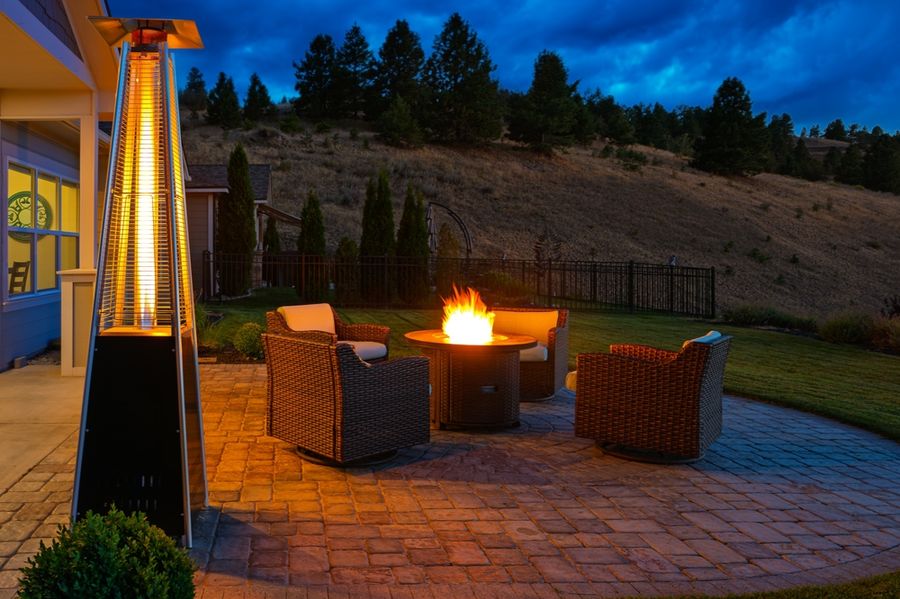
Your backyard patio doesn't have to become an unused space when summer ends. With a few thoughtful adjustments, it can remain a comfortable place to relax, entertain guests, or enjoy fresh air during cooler months. From outdoor heating options to weather-resistant furniture and seasonal lighting, several practical upgrades can extend the usefulness of your outdoor living area. Preparing for changing temperatures and unpredictable weather can help you enjoy your patio well into fall and winter.
Choose Safe Outdoor Heating Solutions
Adding warmth is one of the most effective ways to make a patio more inviting during colder weather. Electric patio heaters, propane heating units, and outdoor fire pits offer different options depending on your available space, existing structures, and local regulations. Freestanding electric heaters can be useful near seating areas, while outdoor-rated infrared heaters may provide more focused warmth.
Safety should guide your decision. Propane heaters must be used in appropriately ventilated outdoor locations, never inside enclosed patios or tents where carbon monoxide can accumulate. Follow manufacturer requirements for clearance around combustible materials and overhead coverings. For fire pits, maintain at least 10 feet of separation from structures and flammable objects, and never leave flames unattended. Check local fire restrictions before installing or operating outdoor heating equipment.
Create Shelter From Wind and Rain
Cold temperatures become more uncomfortable when accompanied by strong winds or precipitation. Adding suitable weather protection can make an outdoor seating area more enjoyable without completely enclosing it. Retractable awnings, exterior privacy screens, and weather-resistant pergola curtains can provide varying degrees of shelter.
Position windbreaks along the sides most exposed to prevailing winds, but avoid blocking necessary ventilation around heating equipment. Choose screens and curtains designed for outdoor conditions, and secure them according to manufacturer instructions. Retractable awnings generally need to be closed during heavy snow or strong winds unless specifically rated for those conditions. In snowy regions, permanent overhead structures should be designed for applicable local snow loads.
A partial windbreak can be more practical than attempting to enclose the entire patio. Focus on protecting the seating area you use most frequently while keeping entrances accessible and maintaining adequate airflow.
Make Your Seating Comfortable for Cold Weather
Comfortable seating can transform a chilly patio into a welcoming retreat. Consider adding outdoor-rated cushions, weather-resistant throw blankets, and furniture with supportive backs. Deep seating arrangements can encourage relaxation, while compact benches may work better when space is limited.
Not all outdoor furniture materials handle winter conditions equally well. Aluminum, certain synthetic wicker products, and appropriately maintained wood can withstand varying degrees of exposure, but cushions and vulnerable finishes still require protection. Proper winter care for patio furniture includes cleaning surfaces, checking for damage, and using suitable covers when furniture isn't being used.
Store blankets and removable cushions indoors between outings to keep them dry. A covered storage area near the patio door can make setup easier, provided fabrics aren't left exposed to moisture. Arrange seating close enough for conversation without overcrowding the space or interfering with heater clearance requirements.
Add Lighting for Shorter Days
As daylight hours decrease, outdoor lighting becomes especially useful for evening relaxation. String lights, wall-mounted fixtures, and portable rechargeable lanterns can create a warm atmosphere while making the patio easier to navigate after sunset.
Select lighting specifically rated for outdoor use. Plug-in fixtures should connect to properly protected exterior outlets, and extension cords must be suitable for outdoor conditions. Avoid running cords across walking paths or leaving electrical connections where water can collect. Battery-powered lanterns provide flexibility without requiring new wiring, making them particularly convenient for smaller patios.
Layering different light sources can create a more balanced setting. Use brighter illumination near steps and doorways, then softer lighting around tables and seating. This approach improves visibility without making the space feel excessively bright.
Keep the Patio Clear and Weather-Ready
Maintaining an outdoor space becomes especially important when fallen leaves, rain, frost, and snow create slippery surfaces. Sweep away leaves regularly, clear drainage openings, and remove standing water before temperatures drop below freezing. Inspect paving stones and decking for uneven or damaged areas that could create tripping hazards.
During winter, clear snow promptly using tools appropriate for your patio surface. Choose ice-melting products compatible with the decking, stone, or concrete, and follow application directions. Some products can damage vulnerable materials or surrounding plants.
Protect accessories when severe weather approaches. Secure lightweight decorations, remove unstable planters, and store cushions before heavy snowfall. Keeping a clear path between the house and seating area also makes short winter visits more convenient.
Plan Seasonal Activities That Make the Space Worth Using
A comfortable patio becomes more valuable when you have reasons to spend time there. Fall is ideal for afternoon coffee, casual outdoor lunches, or reading beneath a warm blanket. During winter, shorter gatherings with hot drinks can provide an enjoyable change of scenery.
Consider arranging a weekend brunch on mild days or creating a small seating area for watching snowfall. Warm beverages, insulated mugs, and easy-to-carry snacks can make these activities more comfortable without requiring elaborate outdoor cooking arrangements.
Pay attention to changing weather conditions and keep expectations realistic. Extremely cold temperatures, freezing rain, and dangerous wind chills are good reasons to move activities indoors.
Make Your Patio a Year-Round Retreat
Enjoying your backyard patio beyond summer requires a combination of warmth, shelter, comfortable seating, and regular maintenance. Outdoor heaters, weather-resistant furnishings, practical lighting, and thoughtfully placed windbreaks can make the space more useful during cooler months.
Start with improvements that address your biggest obstacles, whether that's exposure to wind, limited lighting, or uncomfortable seating. You don't need to redesign the entire backyard to extend the season. With sensible preparation and attention to safety, your patio can remain an inviting outdoor escape throughout much of fall and winter.