

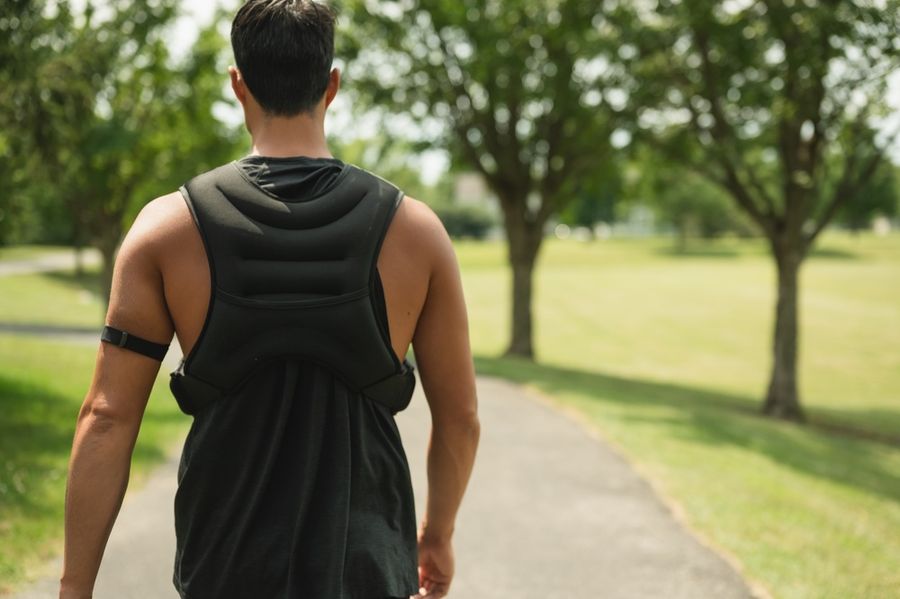
Walking is an accessible way to stay active, but eventually, familiar routes may stop feeling particularly challenging. Adding a weighted vest can increase the physical demands of an ordinary walk without requiring faster speeds or complicated equipment. However, using extra weight safely requires careful attention to fit, posture, and gradual progression. Understanding how to introduce a weighted vest into your routine can help you build endurance while avoiding unnecessary strain on your muscles and joints.
Understand What a Weighted Vest Adds to Walking
A weighted vest is a wearable garment designed to distribute additional weight around the upper body. Unlike carrying dumbbells, it leaves your hands free and allows your arms to move naturally. The extra resistance increases the effort required to walk, potentially making familiar routes more physically demanding.
Walking with a weighted vest can increase exercise intensity and energy expenditure. However, additional weight doesn't automatically translate into greater muscle strength or improved bone density. Those outcomes depend on several factors, including resistance levels, exercise intensity, and individual health. Weighted walking is best considered an optional addition to an established fitness routine rather than a replacement for strength training.
Choose a Vest That Fits Securely
Comfort and stability are important when selecting a weighted vest. Look for adjustable straps that allow the garment to sit snugly against your torso without restricting breathing or shoulder movement. A loose vest may bounce during walking, creating unnecessary discomfort and interfering with your natural stride.
Consider a model with removable weight inserts, allowing you to adjust resistance without purchasing another vest. Breathable materials, padded shoulders, and evenly distributed weights can also make longer walks more comfortable. Weight should be balanced across the front and back rather than concentrated in one area.
Before beginning, put on the vest and walk around your home. Check whether it shifts, rubs against your skin, or encourages you to lean forward. Adjust the straps until the garment feels secure. If you cannot maintain comfortable posture, reconsider the fit or reduce the load.
Start With a Light Weight
Adding too much resistance immediately can place unnecessary stress on your back, hips, knees, and ankles. For beginners, a conservative starting point is approximately 5% of body weight. Someone weighing 160 pounds, for example, would begin with about 8 pounds of additional resistance.
Guidance on weighted vest safety generally recommends keeping loads around 5–10% of body weight, particularly when starting out. These percentages are guidelines rather than requirements, and some individuals may need substantially less weight. Choosing a manageable load is more important than reaching a specific percentage.
Walk briefly while wearing the vest and pay attention to your posture and breathing. You should be able to move naturally without excessive effort or discomfort. If the vest causes shoulder pressure, back pain, or changes in your stride, remove some weight before continuing.
Introduce Resistance Through Short Walking Sessions
Begin by wearing the vest for approximately 10 minutes during a comfortable, relatively flat walk. This introductory duration allows you to evaluate how your body responds without committing to a lengthy session. If you normally walk for 30 minutes, consider completing the remaining 20 minutes without additional weight.
For the first several sessions, maintain your usual walking speed rather than deliberately increasing it. Avoid steep hills, uneven trails, and slippery surfaces until you feel comfortable with the added resistance. The objective is to introduce one new challenge at a time.
Once short weighted walks feel manageable, gradually extend the time spent wearing the vest. For example, you might progress from 10 minutes to 15 minutes before eventually incorporating it into a longer walk. These are illustrative progression steps, not mandatory targets. Increase duration only when previous sessions feel comfortable and recovery is satisfactory.
Maintain Good Walking Posture
Additional resistance can encourage people to lean forward, shorten their stride, or tense their shoulders. These changes may increase discomfort and undermine the benefits of walking. Maintaining an upright position helps distribute the workload more naturally.
Keep your head facing forward, your shoulders relaxed, and your arms moving comfortably beside your body. Take controlled steps without deliberately exaggerating your stride. If you notice yourself bending forward or looking down constantly, the vest may be too heavy or poorly positioned.
Pay attention to breathing as well. During moderate-intensity exercise, you should generally be able to talk but not sing comfortably. If speaking becomes difficult, reduce your pace or remove the vest. A comfortable walking rhythm is more useful than forcing yourself through an overly demanding workout.
Know When Weighted Walking May Be Inappropriate
Weighted vests aren't suitable for everyone. People with back or neck problems, significant joint pain, balance difficulties, or previous injuries should seek individualized medical guidance before using one. Additional resistance may worsen certain conditions or increase the likelihood of falling.
People with osteoporosis or a history of fragility fractures should also seek professional advice. Although weighted vests are sometimes promoted for strengthening bones, research on their bone-health benefits has produced mixed results. One clinical trial involving older adults found that weighted vest use did not prevent weight-loss-associated bone loss at the hip.
Stop wearing the vest if you experience pain, dizziness, unusual breathlessness, or significant changes in walking mechanics. Chest pain, fainting, or severe breathing difficulty warrants urgent medical attention.
Make Weighted Walking a Sustainable Fitness Habit
A weighted vest can make an established walking routine more challenging, but heavier equipment and longer sessions aren't necessarily better. Begin with a comfortable fit, modest resistance, and short walks before gradually adjusting your routine.
Continue including ordinary walking, strength training, and other activities you enjoy throughout the week. These exercises offer different benefits that weighted walking alone may not provide. By prioritizing comfort, gradual progression, and realistic expectations, you can use a weighted vest as one practical tool for maintaining an active lifestyle.