

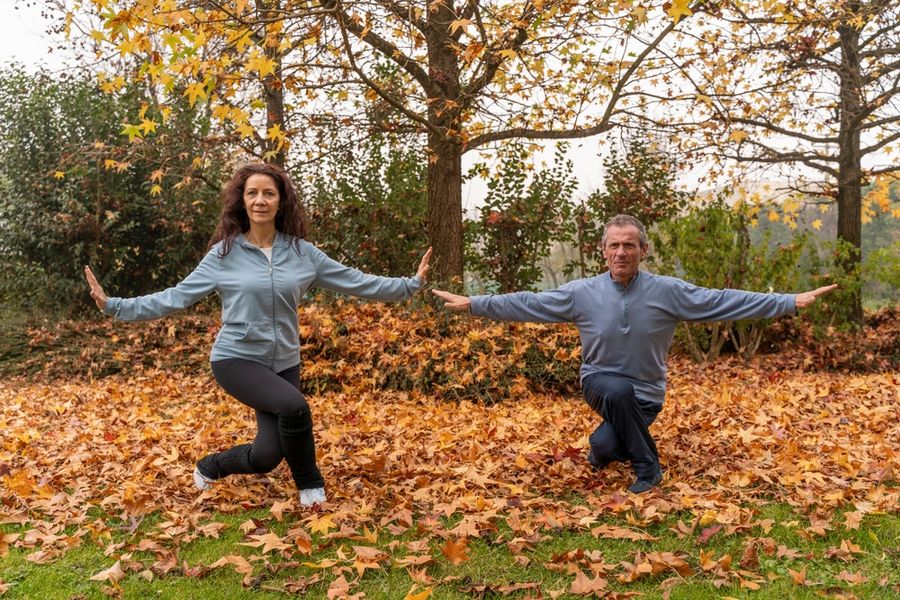
Staying active doesn't always require intense workouts or complicated exercise equipment. Tai chi offers a gentler alternative, combining slow movements, controlled breathing, and deliberate shifts in body weight to support balance, coordination, and physical well-being. Originally developed as a Chinese martial art, tai chi has become a popular fitness activity for people of different ages and abilities. With a manageable weekly schedule, beginners can gradually make tai chi part of a balanced exercise routine.
Understand How Tai Chi Supports Physical Fitness
Tai chi involves moving through a sequence of coordinated postures while maintaining steady breathing and controlled body movements. Unlike workouts that emphasize speed or heavy resistance, tai chi focuses on balance, flexibility, concentration, and smooth transitions between positions.
Regular tai chi practice may improve balance and reduce fall risk, particularly among older adults. Some research also suggests benefits for managing certain types of chronic pain and improving physical function. However, tai chi shouldn't automatically replace aerobic exercise or strength training, since its intensity varies considerably between routines.
Start With Two or Three Short Sessions Weekly
Beginners can start by scheduling two or three tai chi sessions each week, allowing time to learn basic movements without feeling overwhelmed. A practical starting point is 10–15 minutes per session, gradually increasing the duration as coordination and confidence improve.
Although these shorter sessions are a reasonable introduction, structured tai chi programs studied for various health conditions have used different schedules. Some research involving older adults has included classes lasting 60 minutes, two or three times weekly. Beginners shouldn't feel obligated to immediately match those routines.
Choose consistent practice days, such as Monday, Wednesday, and Friday. Keeping sessions on the calendar can help establish a habit, while leaving time between sessions provides flexibility for other physical activities.
Learn a Few Basic Tai Chi Movements
Learning a small collection of movements is generally more manageable than attempting a complete routine immediately. Beginners can start with simple weight shifts, gentle arm movements, and basic standing postures before progressing to longer sequences.
Begin by standing with your feet approximately shoulder-width apart and your knees comfortably relaxed. Slowly transfer your weight toward one foot without leaning excessively, then return to the center and shift toward the opposite side. Keep both feet grounded until you feel confident maintaining balance.
Another introductory movement involves raising your arms gently in front of your body while inhaling naturally, then lowering them as you exhale. Keep your shoulders relaxed and avoid forcing your breathing to match a particular rhythm. These exercises are introductory practice movements rather than substitutes for learning traditional tai chi forms.
Combine Tai Chi With Walking and Strength Training
Tai chi works particularly well as one component of a varied fitness routine. Walking, swimming, or cycling can provide cardiovascular activity, while resistance bands, light weights, or bodyweight exercises can help strengthen major muscle groups.
Adults aged 65 and older are generally encouraged to get at least 150 minutes of moderate-intensity aerobic activity weekly, along with muscle-strengthening exercise on two days and activities that improve balance. Tai chi can contribute to the balance component, although gentle sessions may not provide enough cardiovascular intensity to replace brisk walking.
For example, someone might practice tai chi on Monday, Wednesday, and Friday, take brisk walks on Tuesday, Thursday, and Saturday, and incorporate strength exercises twice weekly. Sunday could involve gentle movement or rest. Adjust the schedule according to personal abilities and recovery needs.
Choose Between Classes and Home Practice
Attending a beginner tai chi class can make learning proper movement patterns easier. Community recreation centers, senior centers, fitness facilities, and martial arts schools may offer introductory programs. An experienced instructor can demonstrate postures, identify uncomfortable movements, and suggest appropriate modifications.
Home practice offers additional flexibility, particularly for people with demanding schedules or limited transportation. Follow a beginner-level instructional video from a qualified teacher, and practice in a clear space with a nonslip floor. Keep a stable chair nearby if balance is a concern.
Some movements can also be adapted for seated participation. These modifications may be helpful for people with limited mobility, although the physical benefits can differ from those of standing practice.
Progress Gradually and Pay Attention to Comfort
As the movements become familiar, gradually extend sessions or introduce additional postures. Focus on smoother transitions, better body awareness, and greater confidence rather than trying to perform increasingly difficult movements.
Tai chi is generally considered safe, but minor muscle aches or discomfort can occur. People with joint problems, significant balance difficulties, or medical conditions affecting exercise should seek appropriate guidance before beginning. Avoid deep knee bends or unstable positions that cause pain.
Make Tai Chi a Sustainable Part of Your Week
Incorporating tai chi into a weekly fitness routine doesn't require lengthy daily sessions or advanced physical abilities. Beginning with manageable practice periods, learning foundational movements, and combining tai chi with other activities can create a balanced approach to exercise.
Consistency and comfort matter more than mastering complicated sequences. As coordination improves, gradually adjusting your routine can help maintain motivation and encourage continued participation. Whether practiced independently or in a group, tai chi offers an accessible way to support balance, movement, and long-term physical well-being.