

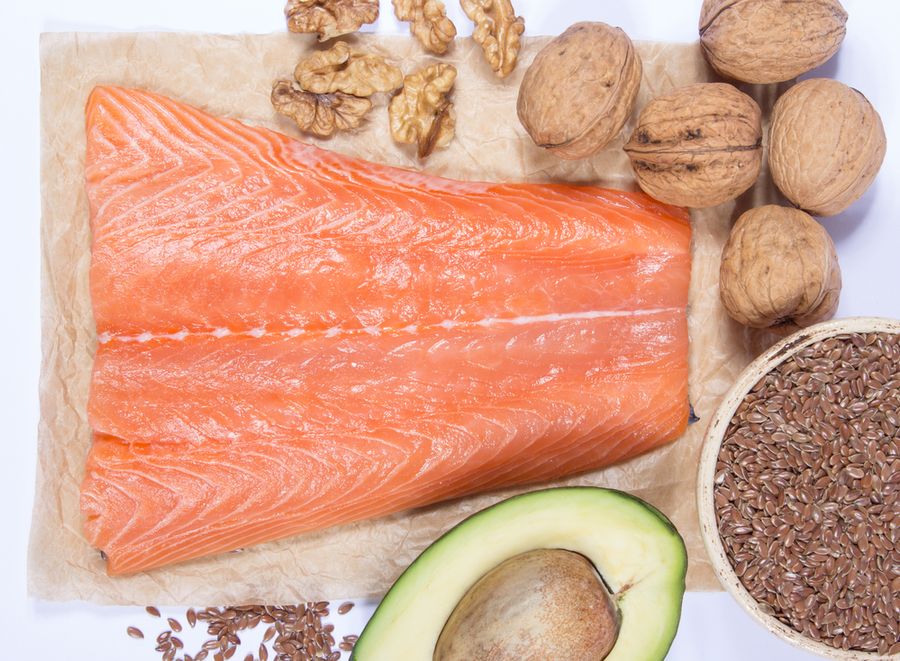
Omega-3 fatty acids play important roles in heart health, brain function, and normal cellular activity, yet many people associate them primarily with fish oil capsules. Fortunately, supplements aren't the only way to increase your intake. Several everyday foods naturally contain beneficial fats, including certain fish, seeds, nuts, and cooking oils. By making thoughtful changes to your meals and snacks, you can incorporate more omega-3s into your diet without relying on pills or expensive specialty products.
Understand the Different Types of Omega-3s
Before changing your diet, it's useful to understand that omega-3 fatty acids aren't all identical. The three main types are alpha-linolenic acid (ALA), eicosapentaenoic acid (EPA), and docosahexaenoic acid (DHA). Each contributes to normal bodily functions, although they come from different food sources.
ALA is found primarily in plant foods, while EPA and DHA occur mainly in fish and seafood. The body can convert some ALA into EPA and DHA, but this process is limited. Consequently, eating flaxseeds or walnuts doesn't provide the same amounts of EPA and DHA as consuming fatty fish. Understanding these differences between omega-3 fatty acids can help you choose foods that meet your nutritional needs.
Eat Fatty Fish More Regularly
Fatty fish are among the most effective dietary sources of EPA and DHA. Salmon, sardines, herring, trout, and Atlantic mackerel are useful options. These fish also provide protein and other nutrients, making them valuable additions to balanced meals.
A practical goal for many adults is to eat two servings of fish each week, particularly varieties rich in omega-3s. One serving is approximately 3 ounces cooked, making the weekly target manageable without dramatically changing your diet. Regularly consuming omega-3-rich fish is associated with cardiovascular benefits when incorporated into an overall healthy eating pattern.
Try baking salmon with vegetables, adding canned sardines to whole-grain toast, or preparing trout with brown rice. Canned salmon and sardines can be convenient alternatives to fresh fish, especially when shopping on a budget.
Add Ground Flaxseeds to Everyday Meals
Flaxseeds are a concentrated plant-based source of ALA. They have a mild, nutty flavor that works well in many familiar foods, making them particularly convenient for people who prefer not to eat fish regularly.
Ground flaxseeds are generally more practical than whole seeds because their nutrients are easier to access during digestion. Sprinkle them over oatmeal, stir them into yogurt, or add them to pancake batter. They can also be mixed into homemade muffins and smoothies without significantly changing the flavor.
Store ground flaxseeds in a sealed container, preferably refrigerated, to help preserve freshness. Begin with modest portions if you're not accustomed to eating fiber-rich seeds, since increasing fiber too quickly can cause digestive discomfort.
Incorporate Chia Seeds and Walnuts
Chia seeds provide another convenient source of plant-based omega-3s. They absorb liquid and develop a gel-like consistency, making them suitable for overnight oats, yogurt bowls, and homemade chia pudding.
Walnuts offer a different way to increase ALA intake without complicated preparation. A one-ounce serving contains approximately 2.57 grams of ALA, while an ounce of chia seeds provides approximately 5.06 grams.
Add chopped walnuts to salads, oatmeal, or homemade trail mixes. Chia seeds can be stirred into moist foods or soaked in liquid before consumption. These additions provide omega-3s alongside other nutrients, although their calorie content makes portion awareness worthwhile.
Choose Cooking Oils That Contain Omega-3s
Cooking oils can influence your daily fatty acid intake, particularly when used regularly. Canola and soybean oils contain ALA and can be incorporated into everyday cooking without requiring specialty ingredients.
Canola oil works well for sautéing vegetables, preparing salad dressings, and baking. Soybean oil is another option found in many kitchens. Flaxseed oil contains more ALA but is better suited to unheated applications, such as salad dressings, rather than high-temperature cooking.
Remember that cooking oils are concentrated sources of calories. The objective is to replace some existing fats with suitable alternatives, not simply add extra oil to every meal.
Look for Omega-3-Enriched Everyday Foods
Some grocery products contain added omega-3 fatty acids, providing another option for people seeking variety. Certain eggs, milk products, yogurts, and soy beverages are available in omega-3-enriched versions.
However, these products don't necessarily contain identical types or amounts of omega-3s. Check the nutrition label and ingredient information to determine whether a product provides ALA, DHA, or another form. Compare products based on their overall nutritional value rather than choosing something solely because the packaging advertises omega-3 content.
Build a Weekly Routine Around Omega-3 Foods
Increasing omega-3 intake becomes easier when you build these foods into familiar meals instead of treating them as occasional additions. For example, prepare salmon for dinner twice during the week, add ground flaxseeds to breakfast, and snack on walnuts when convenient.
People who eat fish should also consider mercury exposure. Salmon, sardines, and freshwater trout are among the lower-mercury seafood choices. This is especially important during pregnancy and breastfeeding, when selecting appropriate fish varieties matters.
Make Omega-3 Foods Part of a Balanced Diet
Increasing omega-3 intake doesn't require complicated meal plans or expensive supplements. Fatty fish, flaxseeds, chia seeds, walnuts, and suitable vegetable oils offer accessible ways to incorporate these fats into everyday eating.
The most practical approach is to choose foods you enjoy and consume them consistently. Combining different omega-3 sources with vegetables, fruits, whole grains, and other nutritious foods supports a balanced dietary pattern. Small, sustainable changes can help you obtain more omega-3s while maintaining variety and flexibility in your meals.