

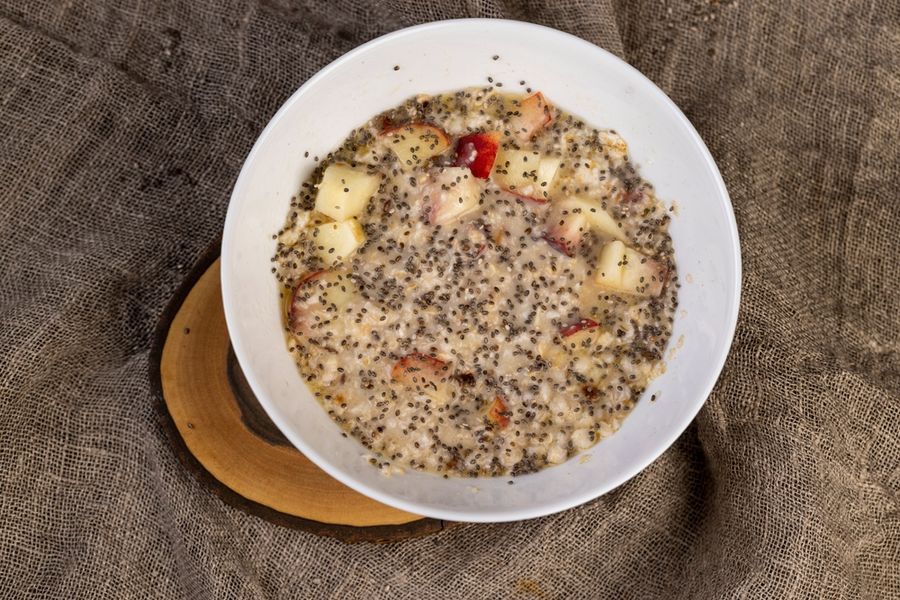
Digestive health plays an important role in overall well-being, influencing everything from bowel regularity to how comfortably the body processes food. One of the simplest ways to support a healthy digestive system is by eating enough dietary fiber. Unfortunately, many Americans fall short of recommended amounts. Adding more fiber-rich foods to everyday meals can help promote regular bowel movements, nourish beneficial gut bacteria, and reduce occasional constipation without requiring complicated dietary changes.
Why Fiber Matters for Digestive Health
Fiber is a type of carbohydrate that passes through the digestive system without being fully broken down. Soluble fiber absorbs water and can help soften stool, while insoluble fiber adds bulk and encourages food to move through the intestines. Certain fibers also provide nourishment for beneficial gut bacteria.
Adults generally need approximately 22–34 grams of fiber daily, depending on age and sex. However, increasing intake too quickly may cause bloating, gas, or abdominal discomfort. A gradual approach, combined with sufficient water, can make increasing dietary fiber more comfortable and effective.
1. Lentils: A Versatile Source of Fiber
Lentils are among the most convenient fiber-rich foods to incorporate into everyday meals. A half-cup serving of cooked lentils provides approximately 8 grams of fiber, along with plant-based protein, iron, and other nutrients. Their combination of soluble and insoluble fiber can help support bowel regularity.
Lentils are particularly useful because they adapt easily to different dishes. Add them to vegetable soups, combine them with brown rice, or use them as a filling for wraps. Canned lentils offer convenience, while dried lentils generally cook faster than many other legumes. Those unfamiliar with legumes can begin with smaller portions.
2. Oatmeal: A Gentle Way to Start the Day
Oatmeal contains beta-glucan, a soluble fiber that absorbs water and forms a gel-like substance during digestion. This process can help support digestive function while contributing to feelings of fullness. Oats also contain insoluble fiber, making them useful for maintaining regular bowel movements.
The digestive benefits of oats make oatmeal a practical breakfast choice. Prepare rolled or steel-cut oats with water or milk, then add berries, cinnamon, or chopped nuts. Unsweetened oatmeal allows better control over added sugars, while overnight oats offer a convenient option for busy mornings.
3. Raspberries: Small Fruits With Plenty of Fiber
Raspberries provide approximately 8 grams of dietary fiber per cup, making them an excellent choice for increasing fiber intake through fruit. They also contain vitamin C and naturally occurring plant compounds that contribute to a nutritious diet.
Fresh raspberries can be eaten independently, stirred into yogurt, or added to breakfast cereal. Frozen varieties are equally convenient for smoothies and oatmeal. Eating whole berries rather than relying on strained fruit juices helps preserve their fiber content. Their naturally sweet flavor also makes them a useful alternative to heavily processed desserts.
4. Pears: An Easy Fiber-Rich Snack
Pears offer both soluble and insoluble fiber, making them a useful fruit for supporting bowel regularity. A medium pear weighing approximately 178 grams provides 5.5 grams of fiber. Keeping the edible skin intact helps preserve more of the fruit's natural fiber.
Pears are easy to incorporate into snacks and meals because they require little preparation. Slice them into salads, combine them with plain yogurt, or enjoy them alongside a handful of nuts. Their natural sweetness can also make them an appealing alternative to desserts containing substantial amounts of added sugar.
5. Chia Seeds: A Simple Addition to Everyday Meals
Chia seeds are small but concentrated sources of dietary fiber. When combined with liquid, they absorb moisture and develop a gel-like texture. Their fiber includes soluble and insoluble components that can contribute to stool bulk and digestive regularity.
Adding chia seeds to yogurt, oatmeal, or smoothies provides an easy way to increase fiber without substantially changing a meal. They can also be soaked in milk to prepare chia pudding. Start with a modest amount, such as one teaspoon, before increasing gradually. Avoid swallowing large quantities of dry chia seeds, especially if you have difficulty swallowing.
6. Black Beans: Fiber and Protein in One Food
Black beans provide approximately 7.5 grams of fiber per half-cup serving, alongside plant protein and several essential minerals. Like other legumes, they contain fibers that can support bowel movements and provide fuel for certain beneficial intestinal bacteria.
Use black beans in tacos, salads, soups, or homemade vegetable burgers. Rinsing canned beans can reduce their sodium content. Because beans may initially cause gas, introducing them gradually can help the digestive system adjust. Their nutritional profile makes them a useful alternative to some lower-fiber protein choices.
7. Broccoli: A Vegetable That Supports Regularity
Broccoli provides fiber alongside vitamin C, vitamin K, and other nutrients. One cup of boiled, chopped broccoli, weighing approximately 156 grams, contains 5 grams of dietary fiber. Its combination of fiber and water makes it a useful addition to meals focused on digestive regularity.
Steaming, roasting, and lightly sautéing broccoli can make it enjoyable without elaborate preparation. Add it to stir-fries, grain bowls, or meals featuring lean protein. Some people find cooked broccoli easier to digest than raw broccoli, particularly when larger servings cause bloating or discomfort.
Small Dietary Changes Can Make a Lasting Difference
Improving digestive health doesn't require overhauling every meal. Adding lentils to soup, choosing oatmeal for breakfast, or including berries and pears as snacks can gradually increase daily fiber intake. Combining different fiber sources also provides a wider variety of nutrients and benefits.
The key is consistency rather than consuming large amounts of fiber at once. Increase portions gradually, drink enough fluids, and pay attention to digestive comfort. With thoughtful food choices, a fiber-rich diet can become a manageable part of supporting regular digestion and long-term gut health.