

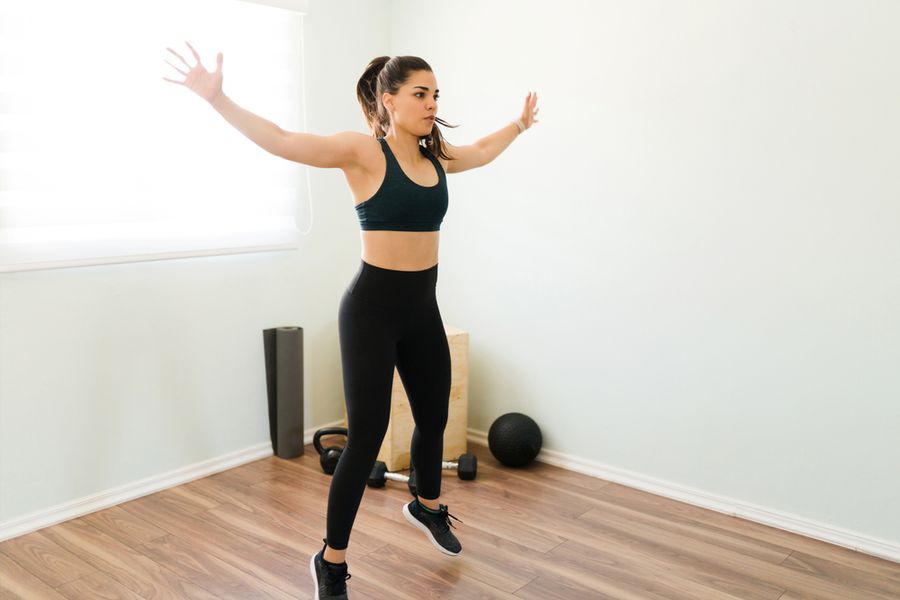
Staying physically active doesn't require a gym membership, expensive equipment, or a spacious workout area. Low-impact cardio exercises can raise your heart rate, improve endurance, and support cardiovascular health without the repetitive jumping associated with high-impact workouts. Many effective movements can be performed in a small living room, making them convenient for beginners, older adults, and anyone seeking gentler exercise options. Several simple activities offer a practical starting point for building an indoor fitness routine.
Why Low-Impact Cardio Is Worth Trying
Low-impact cardio typically involves movements that keep at least one foot on the ground, reducing the repeated landing forces associated with jumping or running. These exercises can still challenge the cardiovascular system when performed at an appropriate pace, making them useful for improving endurance and maintaining an active lifestyle.
Adults are generally encouraged to accumulate at least 150 minutes of moderate-intensity aerobic activity weekly, along with muscle-strengthening exercises on two days. However, shorter sessions also provide benefits, making gradual increases in physical activity a practical approach for beginners.
1. Marching in Place
Marching in place is a practical cardiovascular exercise that requires minimal floor space and no specialized equipment. Because you remain in approximately the same location, it works particularly well in small living rooms. The movement can be performed at different speeds, allowing beginners to start gently and increase their effort as their fitness improves.
Stand upright with your feet hip-width apart, keeping a sturdy countertop nearby if you need support. Lift one knee comfortably, lower your foot, and repeat with the opposite leg. Continue alternating your feet while maintaining an upright posture. Begin slowly, concentrating on controlled movements rather than lifting your knees as high as possible.
Try marching for one minute, gradually increasing the duration as your endurance develops. To make the exercise more challenging, increase your pace, lift your knees slightly higher, or incorporate natural arm swings. Marching in place is recognized as a suitable home cardiovascular exercise, while additional marching exercise instructions explain how to adjust the movement for different ability levels.
2. Side Steps With Arm Movements
Side stepping introduces lateral movement into a cardio routine, engaging muscles used less frequently during forward walking. It also encourages coordination between the upper and lower body without requiring substantial floor space.
Stand with your feet together and step sideways with your right foot. Bring your left foot toward it, then reverse the movement. Continue alternating directions while keeping your knees slightly bent. Once comfortable, add gentle arm movements, such as raising your arms to shoulder height or extending them forward.
Try performing the exercise for 30–60 seconds before resting. Individuals with limited balance can practice beside a sturdy countertop. Avoid crossing your feet or taking steps that are too wide for the available space.
3. Low-Impact Jumping Jacks
Traditional jumping jacks involve repeated jumps, but a modified version removes the airborne movement while preserving much of the coordination and rhythmic activity. Sometimes called step jacks, these movements provide a convenient alternative for people who prefer to avoid jumping.
Begin with your feet together and arms resting at your sides. Step your right foot outward while raising your arms comfortably toward shoulder height or overhead. Return to the starting position, then repeat on the opposite side. Continue alternating legs at a steady pace.
Start with approximately 30 seconds and gradually extend the duration. If reaching overhead causes shoulder discomfort, keep your arms below shoulder height. Maintain soft knees and avoid forceful movements. The exercise can be performed in a relatively small area without additional equipment.
4. Standing Shadowboxing
Shadowboxing combines repeated arm movements with controlled footwork to create a low-impact cardiovascular activity. Unlike contact boxing, it requires no punching bag or partner. The movements can be adapted to different fitness levels and performed without traveling across the room.
Stand with your feet shoulder-width apart and knees slightly bent. Keep your hands near chest height, then alternate gentle forward punches while rotating your upper body slightly. Keep your wrists straight and avoid fully locking your elbows.
Beginners can remain in one position, while more comfortable participants can add small steps between punches. Start with 30–60 seconds of continuous movement, followed by a short recovery period. Focus on smooth coordination rather than punching forcefully, especially if you have shoulder or back discomfort.
5. Seated Marching With Arm Swings
Seated marching offers an accessible alternative for people who experience difficulty standing for extended periods. While its intensity may be lower than standing exercises, continuous movements involving the arms and legs can still increase physical activity.
Choose a sturdy chair without wheels and sit upright with both feet flat on the floor. Alternately lift your knees while swinging your arms in a natural walking motion. Maintain a comfortable rhythm and avoid leaning backward or pulling on the chair for momentum.
Begin with approximately one minute, resting when needed. Increase the pace gradually if the movement feels comfortable. Gentle seated marching exercises can also help maintain hip mobility and leg movement, making them useful for individuals who need a less demanding starting point.
How to Build a Safe Living Room Cardio Routine
Begin by clearing enough floor space to move without hitting furniture. Remove loose rugs, electrical cords, and other tripping hazards. Wear comfortable shoes with suitable traction, and keep drinking water nearby.
For a beginner-friendly routine, perform each of the five exercises for one minute, resting for 30 seconds between movements. Repeat the circuit if comfortable, gradually increasing the active periods as your fitness improves. Include a gentle warm-up and cooldown.
During moderate-intensity exercise, you should generally be able to talk but not sing comfortably. This talk test for aerobic activity can help you judge your effort. Stop exercising if you experience chest pain, dizziness, or unusual shortness of breath, and seek appropriate medical care. Consult a healthcare professional before beginning if you have significant health concerns or exercise restrictions.
Small Spaces Can Still Support Meaningful Fitness
A small living room can provide enough space for a useful cardio workout. Marching, side stepping, modified jumping jacks, shadowboxing, and seated movements offer different ways to increase activity without running or jumping.
The most important factors are consistency, comfortable movement, and gradual progress. Starting with manageable sessions and adjusting exercises to your abilities can help make indoor cardio a sustainable habit. Over time, these simple routines can support cardiovascular fitness, endurance, and greater confidence in everyday movement.